When it comes to maintaining safe and orderly traffic flow in a bustling city like Houston, Texas, traditional measures such as signage, barriers, and warnings sometimes fall short. Wrong-way driving poses a serious risk—not only to the drivers attempting to move against the intended flow but also to other motorists, pedestrians, and property. Among the various strategies available to prevent this hazardous behavior, one solution consistently proves its worth: the installation of in-ground traffic spikes.
In this comprehensive guide, we'll explore why traffic spikes stand out as the only truly effective method to stop motorists from traveling in the wrong direction, and examine their practical applications in Houston's dynamic infrastructure.
Understanding the Wrong-Way Driving Problem in Houston
Houston's sprawling road networks, diverse driving conditions, and continuous growth in both residential and commercial areas create a challenge for traffic managers. Drivers occasionally attempt to bypass standard traffic routes—often unintentionally—by entering one-way driveways, parking lot exits, and restricted access lanes from the wrong direction. This behavior leads to:
- Increased Accident Risk: Wrong-way drivers can cause serious collisions, especially in confined areas like parking garages and narrow exits.
- Property Damage: Unauthorized entry may result in damage to gates, fences, barriers, or even the landscaping around driveways.
- Traffic Congestion: When vehicles enter from the wrong direction, the designed flow of traffic is disrupted, causing confusion and unnecessary delays.
These issues can be particularly pronounced in commercial hubs, gated communities, and restricted areas such as warehouses or government facilities.
Why Traffic Spikes Are Different
Traffic spikes offer a unique solution because they provide a clear, physical deterrent. Unlike signs that can be ignored or misunderstood, these devices communicate an unmistakable message to drivers. Key characteristics:
- 01Physical Enforcement: Rather than relying on voluntary compliance, traffic spikes create a scenario where it is mechanically unsafe and impractical for a driver to move against traffic flow.
- 02Simplicity and Reliability: Traffic spikes do not require complex electronic systems or human oversight. They function continuously, day and night, in virtually all weather conditions.
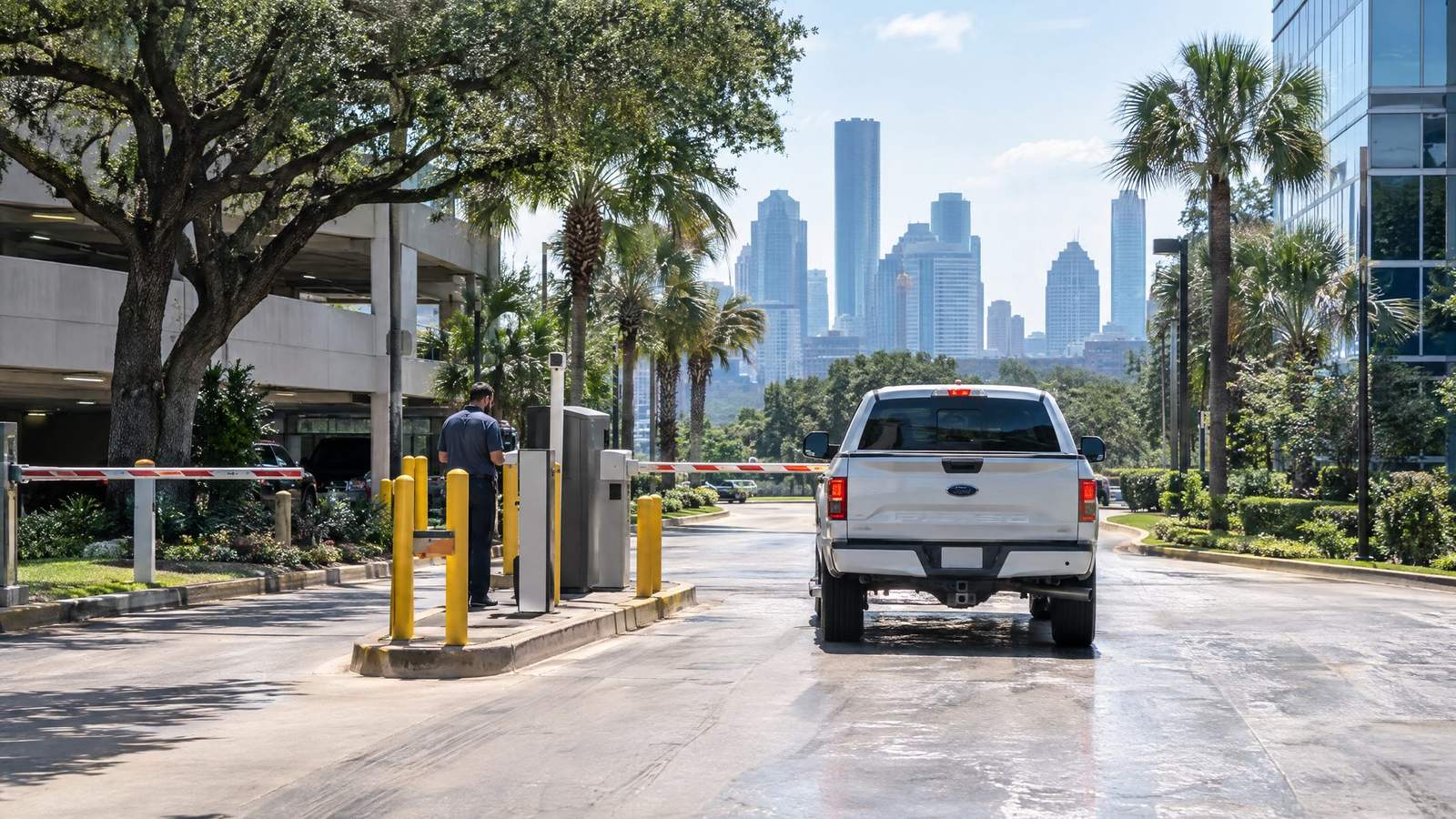
- 03Versatility in Placement: They can be installed in various areas—exit lanes, parking garage ramps, private driveways—to ensure that vehicles adhere to the intended directional flow.
- 04Long-Term Cost-Effectiveness: After the initial installation, maintenance costs for traffic spikes are relatively low compared to other solutions that may require constant monitoring, repair, or staffing.
How Traffic Spikes Work
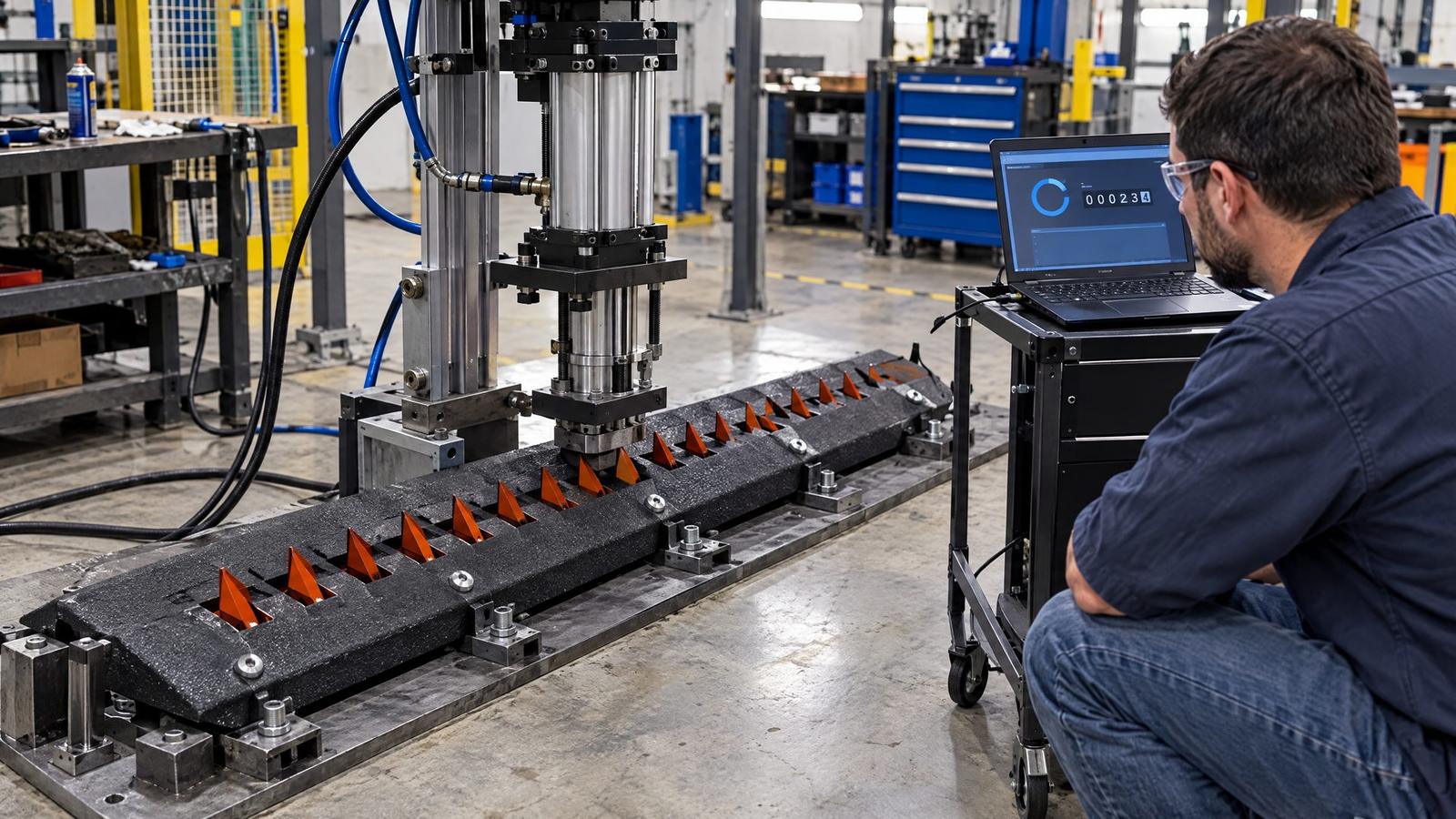
Traffic spikes are typically composed of sturdy metal teeth or blades set into a metal housing flush with the ground. They are angled so that vehicles moving in the correct direction gently push the teeth down, passing over them with ease. However, if a driver attempts to approach from the wrong side, the spikes remain raised and will puncture or severely damage the vehicle's tires. The mere threat of tire damage is often enough to discourage even the most determined driver from ignoring traffic direction.
Benefits of Using Traffic Spikes in Houston, Texas
- 01Enhanced Safety: Traffic spikes help reduce the likelihood of collisions by physically preventing vehicles from traveling against traffic.
- 02Improved Traffic Efficiency: By eliminating wrong-way entry, traffic spikes help keep lanes moving smoothly.
- 03Property and Asset Protection: Property managers and business owners in Houston often install traffic spikes at entrances and exits to safeguard their properties, prevent unauthorized access, reduce vandalism, and minimize costly damage to gates and barriers.
- 04Compliance with Local Regulations: Certain city ordinances and private community guidelines in Houston encourage or mandate measures that enforce correct traffic flow.
- 05Deterrence of Criminal Activity: Traffic spikes serve as a powerful deterrent, helping maintain a secure environment.
Practical Considerations for Installation
- Local Conditions: Consider Houston's climate—high temperatures and occasional heavy rainfall. High-quality traffic spikes are designed to withstand all weather conditions.
- Professional Installation: Engaging a professional installation team ensures that the spikes are positioned correctly, properly anchored, and compliant with local standards.
- Regular Maintenance: While generally low-maintenance, traffic spikes should be inspected periodically.
Balancing Security and Access
While traffic spikes are an effective solution, it's essential to strike the right balance between security and convenience. In sensitive or high-traffic areas, integrating traffic spikes with other measures—such as signage, security cameras, and controlled entry systems—creates a comprehensive defense against wrong-way driving without overly restricting legitimate vehicle movement.
Conclusion: The Only True Solution
In Houston, Texas—where traffic safety and efficiency are top priorities—traffic spikes have emerged as the most reliable, practical, and cost-effective solution. By installing high-quality, professionally installed traffic spikes at strategic points, property owners and municipal authorities can ensure correct directional flow, prevent accidents, protect property, and enhance the overall safety and security of their environments.