
- Built to order
- Free site layout
- Same-day proposals
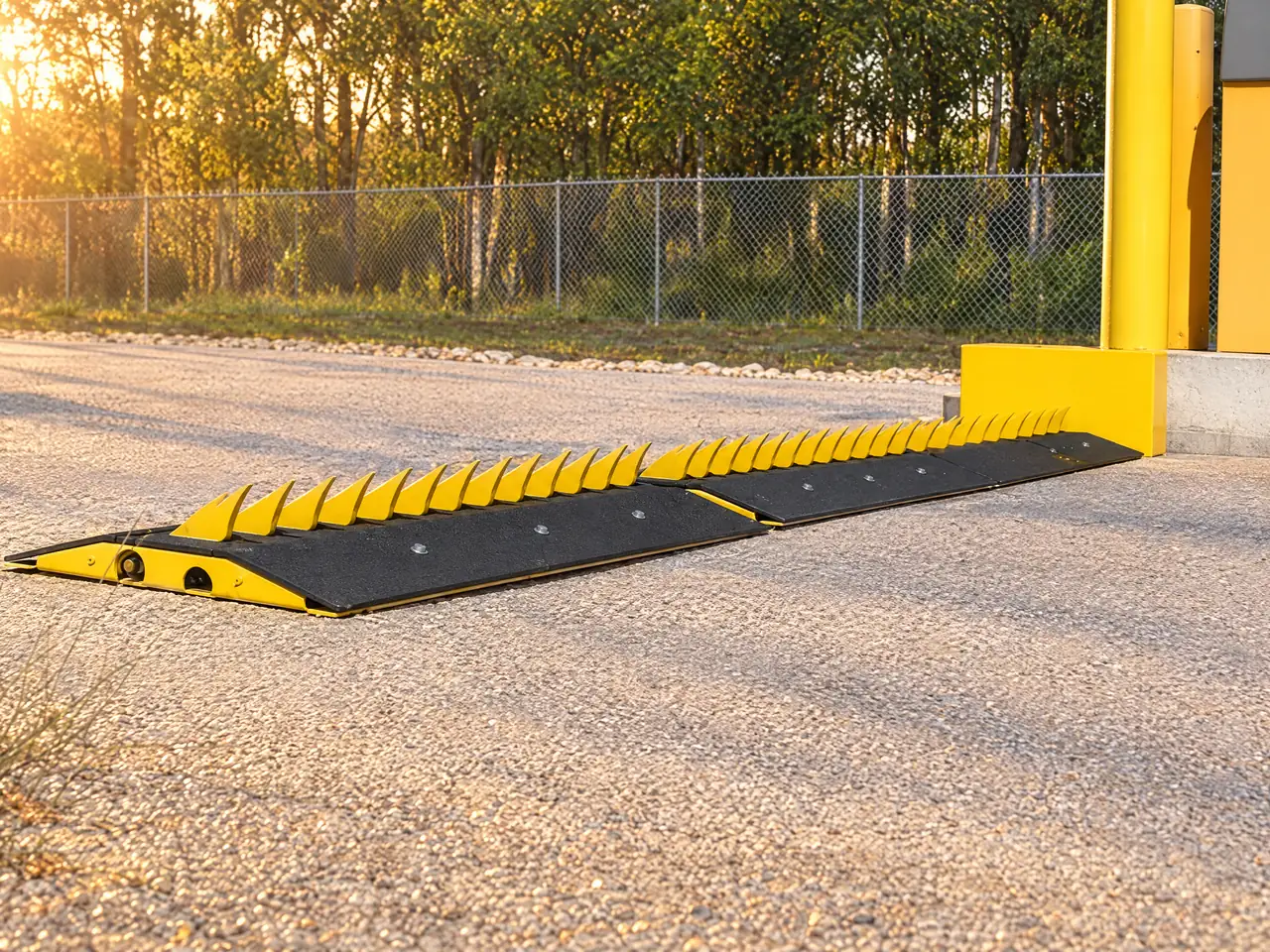
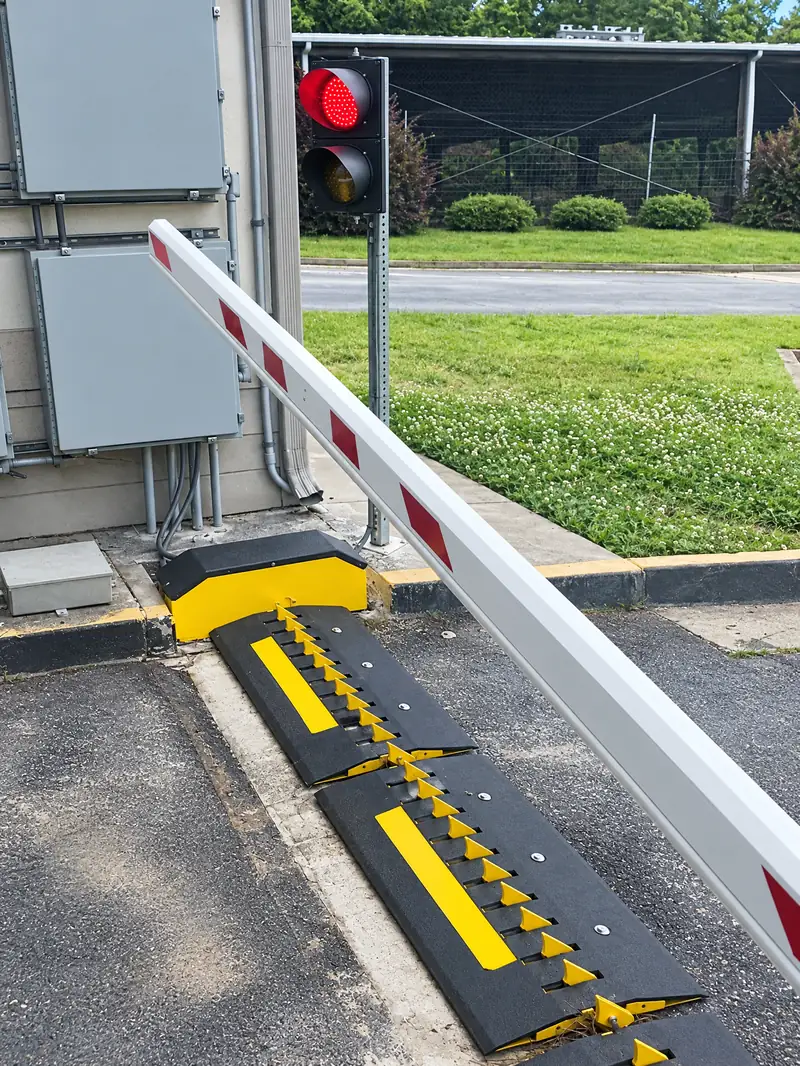
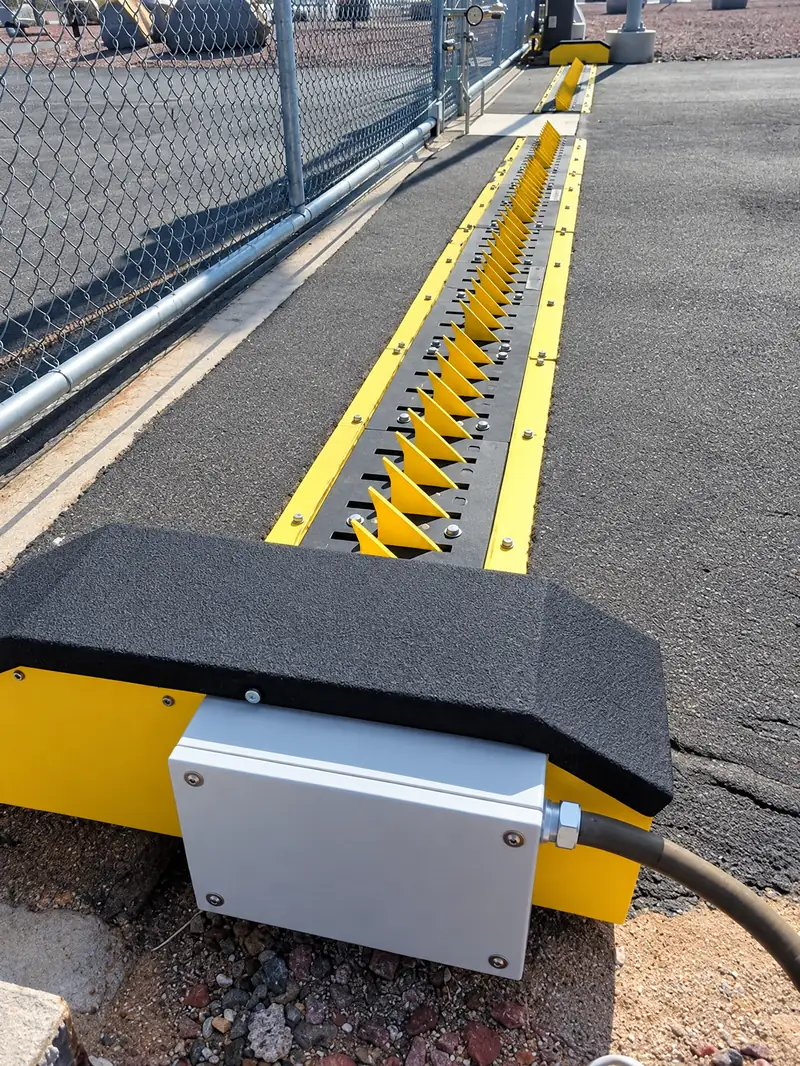
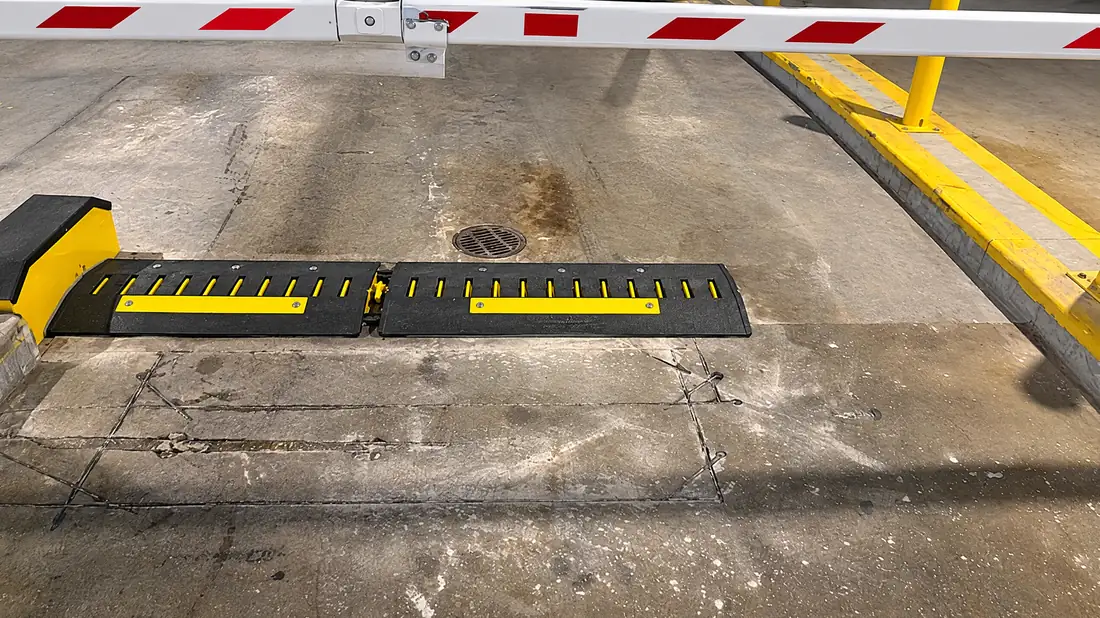
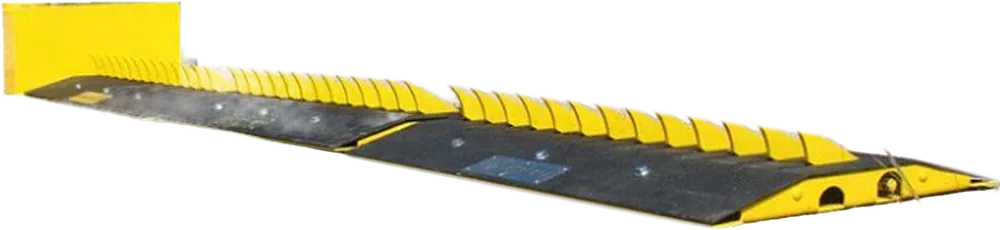
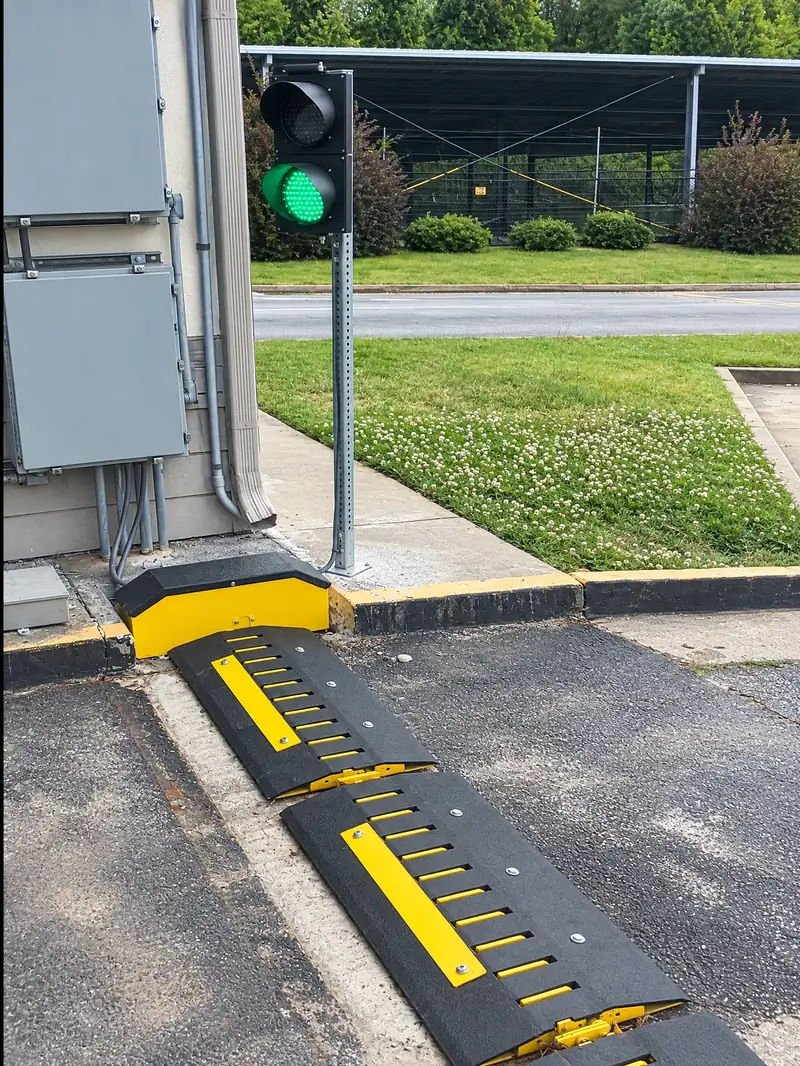
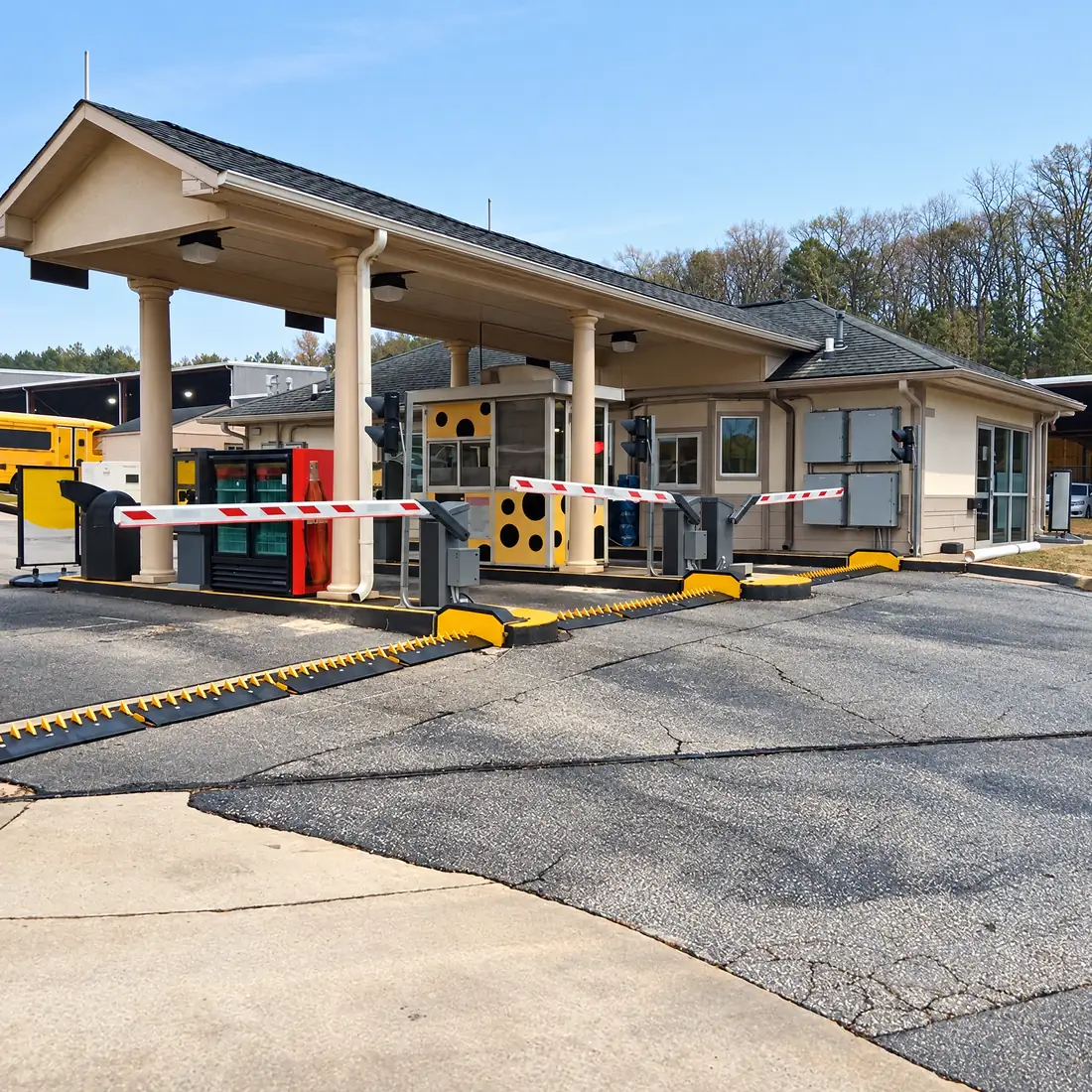
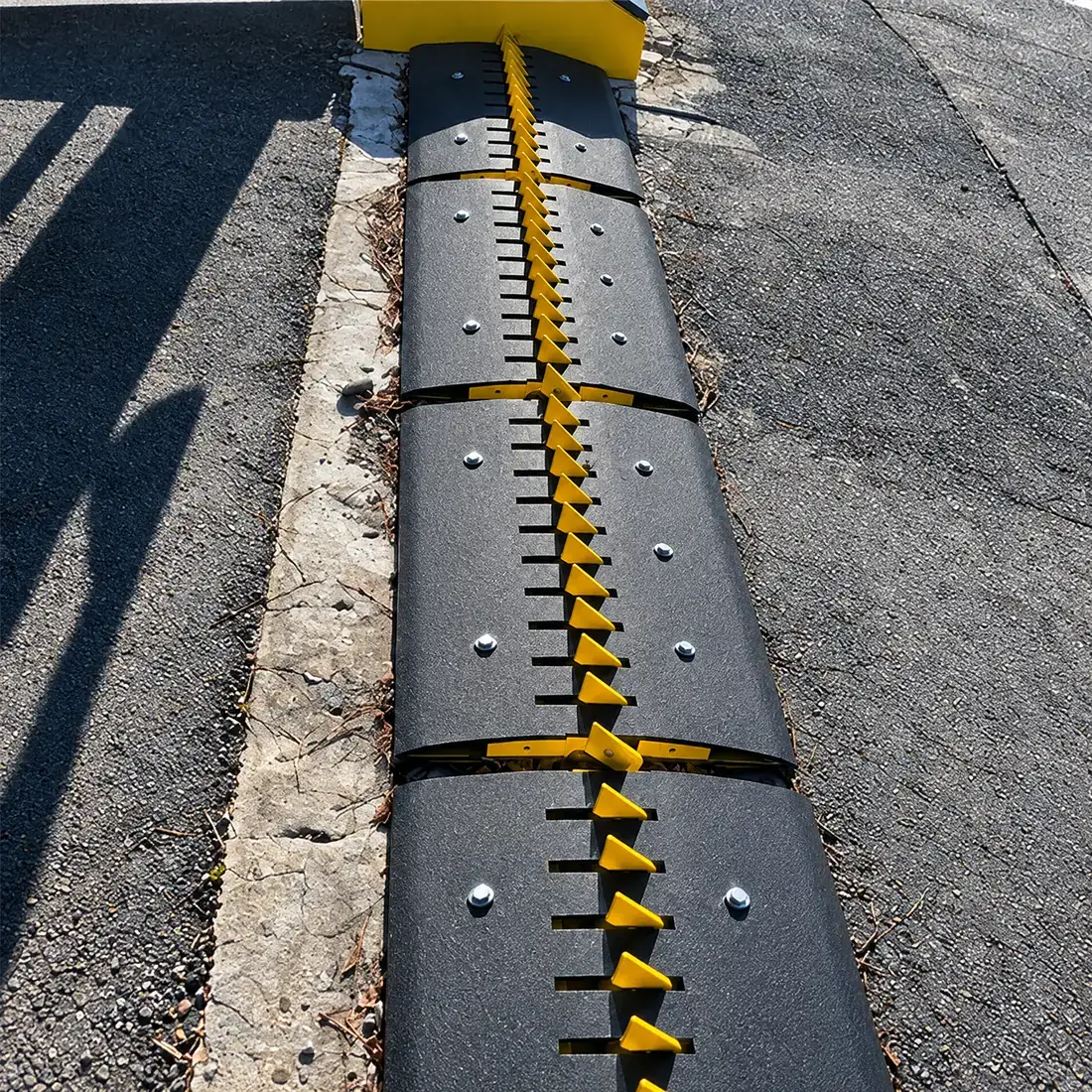 Two-way controlShownSurface-mounted · yellow teeth1 / 8
MotorizedTraffic Spikes
One-way by default. Two-way on command.
Teeth stay up to keep the exit an exit. Press a button, swipe a fob or let the gate arm decide, and they drop flat so deliveries, guests and fire trucks roll right in.
- Raises & lowers on command
- 2-WayRaises & lowers on command
- Per lane, in joined sections
- 7–30FtPer lane, in joined sections
- 3-wire gate tie-in
- 12V3-wire gate tie-in
Build your system
Takes about 45 seconds01Where should it sit?
On the pavement02How many exit lanes?
1 lane03How wide is each lane?
12 ft per lane04How will you raise and lower it?
Keypad05Traffic signals
Red/green LED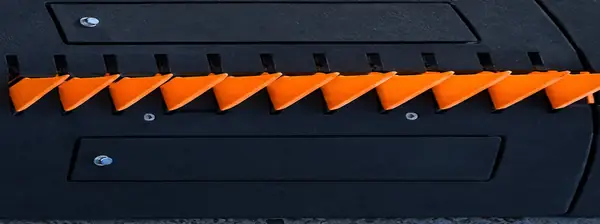
Your system
12 ft · 3 modules
1 exit lane · on the pavement · Keypad · LED signals
Prewired controller included
A specialist sends a drawn layout and proposal, usually the same business day. No obligation.
Rather talk it through? 855-526-9683
Free
Site layout
2-Year
Warranty
Turnkey
Install available
Guarding the exits of people who can’t afford a wrong-way driver.
Logistics yards, military gates, theme parks, airports and apartment communities.










2005
Family-owned
Still answering our own phones.
12V
3-wire gate tie-in
Works with most gate arms and sliding gates.
Up to
200Ft
Wired control reach
Run the controller to the guard booth.
8Ways
To raise & lower
Keypad, fob, phone, gate and more.
How it works/ 01
Up when you're closed. Down when you're not.
Motorized spikes behave like fixed one-way spikes until you tell them otherwise. A motor lowers every tooth flat on command and raises them again when the lane closes.
- 01
Armed
Teeth stand up and work like fixed one-way spikes. Right-way traffic rolls over, wrong-way traffic stops.
- 02
On command
Keypad, fob, guard button or the gate arm tells the motor to drop every tooth flat. A mechanical switch confirms they're down before the light turns green.
- 03
Re-arm
When the lane closes, the teeth rise and the light goes red. The exit is an exit again.
Built for/ 02
Some lanes need
a second direction.
Deliveries in the morning, residents out all day, a fire truck whenever it needs one. Motorized spikes let one lane do both jobs safely.
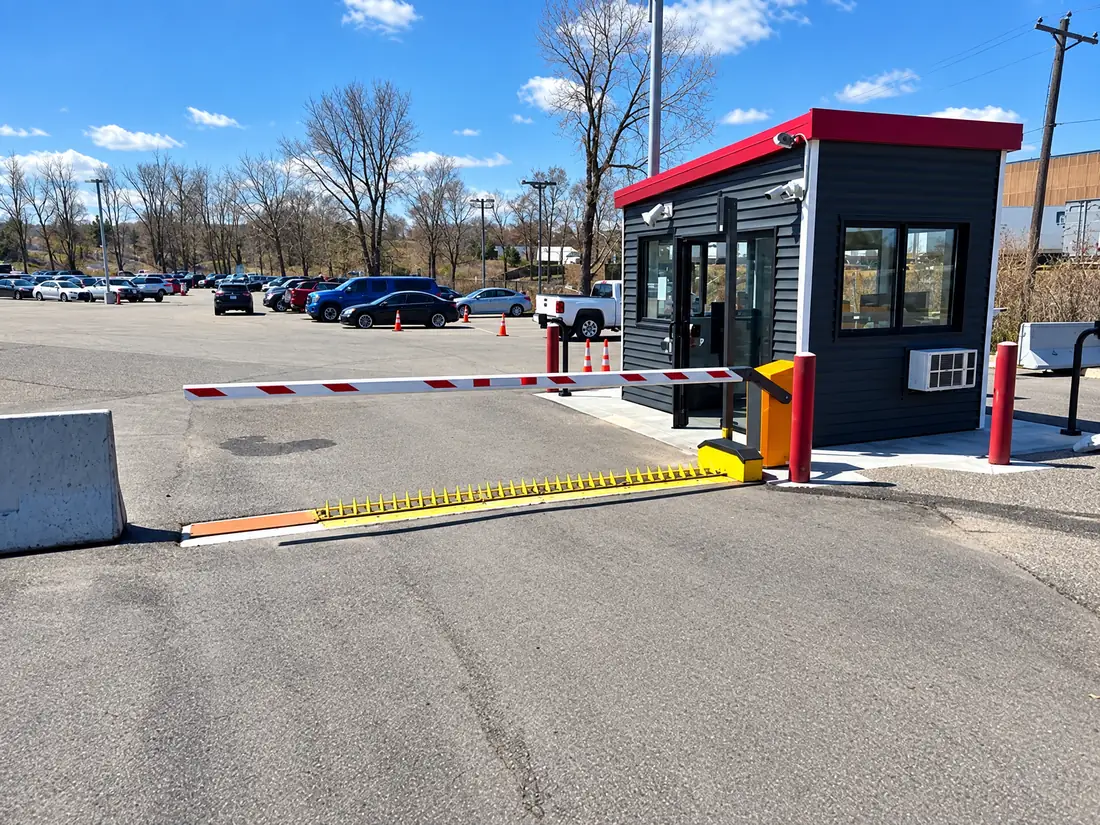 Most requested01Guard-gated entriesThe officer lowers the teeth for approved vehicles. Everyone else meets a one-way lane.Build for this site →
- 02Employee & permit parkingSynced to the gate arm, so the teeth drop the instant a badge or ticket opens the gate.Build for this site →
- 03Toll plazas & paid lotsNo more drive-arounds. Lanes open only when payment clears.Build for this site →
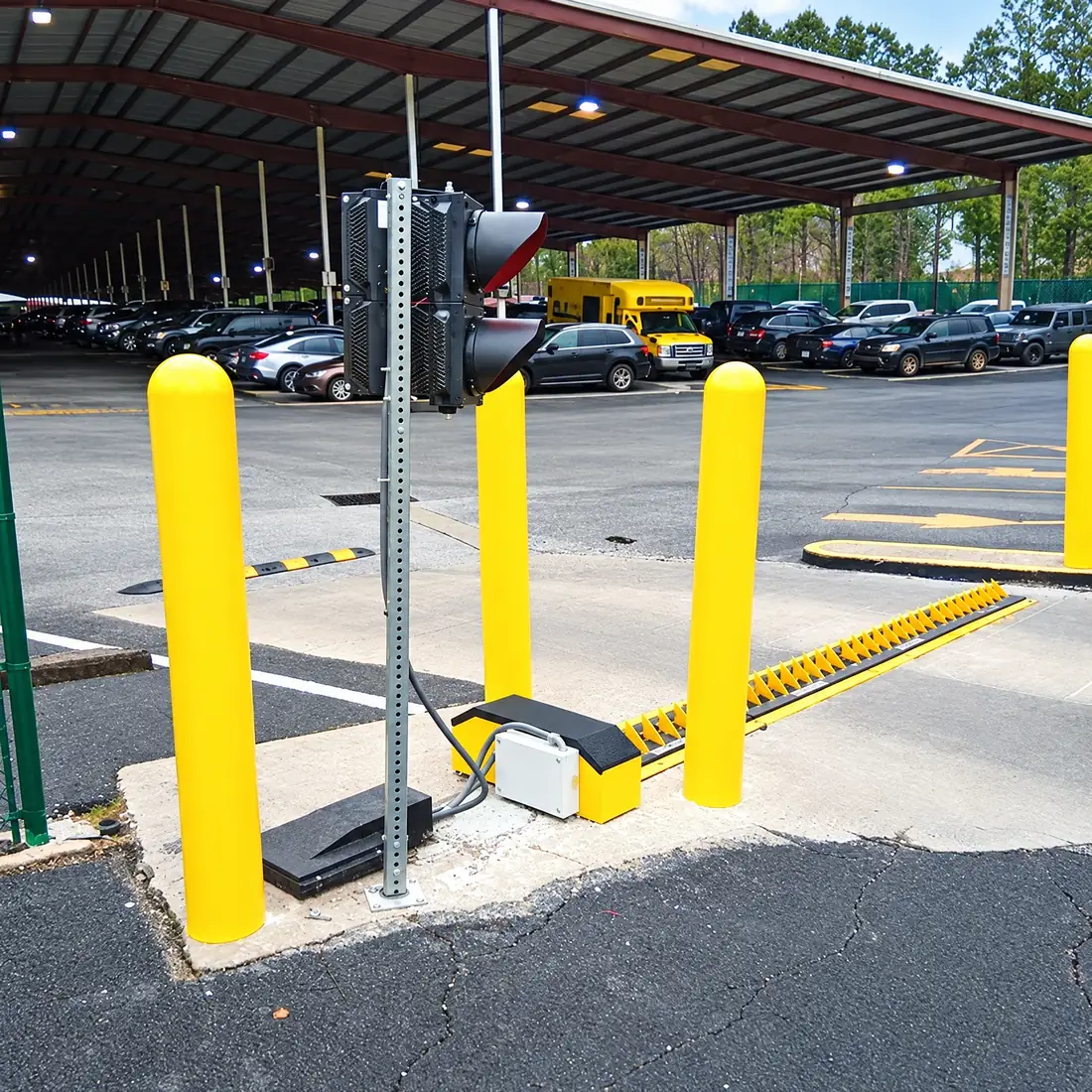 04Bus & fleet depotsRated for heavy vehicles, with LED signals so every driver knows when to roll.Build for this site →
Reviews/ 03
Excellent
4.9 out of 5 from 137 verified reviews
- Garage exit✓ Verified
“Installed and operational ahead of schedule.”
John truly exceeded our expectations, ensuring our systems were operational well before the school year kicked off. Using Coyote has been a game-changer for our campus security.
SDSpencer DunnCampus Operations - Multi-site rollout✓ Verified
“Zero issues across every location.”
Coyote's team outfitted all our rental car locations with top-tier traffic control solutions and have had absolutely zero issues or concerns. Five Stars across the board!
HGHannah GarciaFleet & Facilities - Guard-booth lane✓ Verified
“Hands-on collaboration from spec to install.”
With Coyote's help, we navigated our security hurdles effortlessly. Their hands-on collaboration ensured our needs were met with precision and care.
RARebecca AndersonProperty Management
Controls/ 04
Your gate. Your rules.
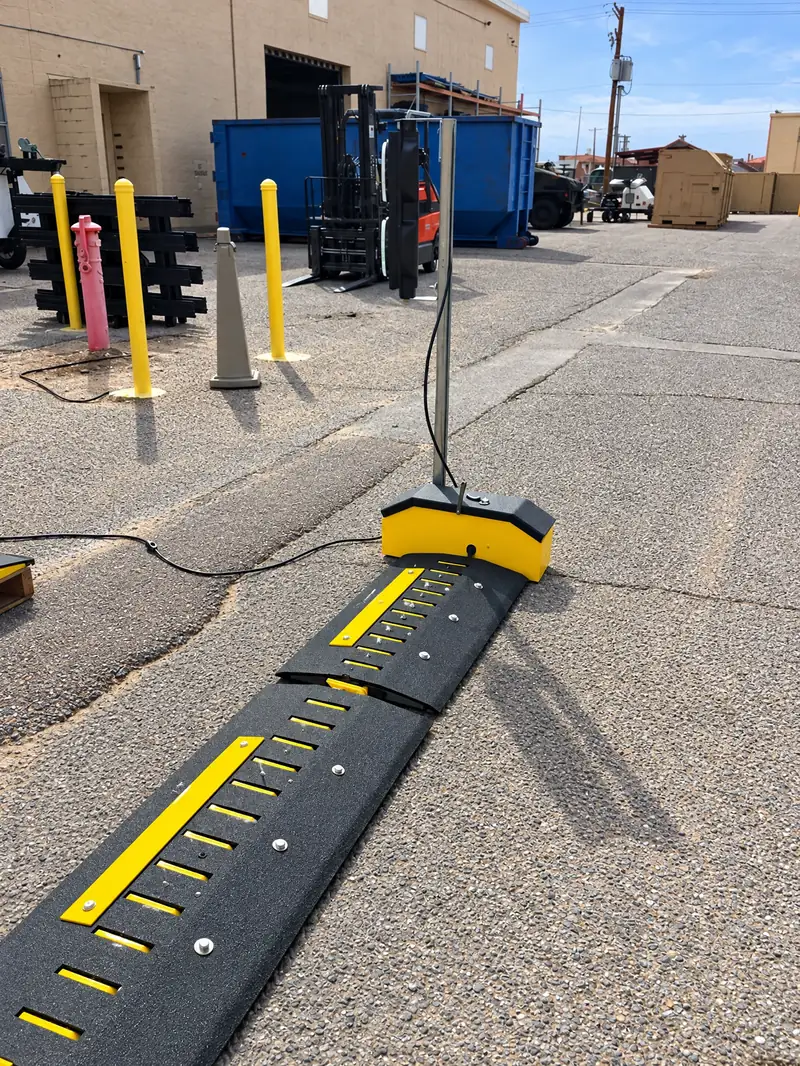
Raise and lower the teeth the way your site already works. A simple 12V, 3-wire connection ties into most existing gate arms and sliding gates.
- Key fob remoteWireless, from the driver's seat.
- KeypadProgrammable access codes.
- Guard-station buttonOne press from the booth.
- Gate-arm tie-inDrops when the gate opens.
- Wired controller20 to 200 ft of cable.
- Plug-in pendantFor daily staff operation.
- Phone call or textCellular activation.
- Manual leverFor sites without power.
Specifications/ 05
The fine print, in bold.
Everything your engineer, electrician and security team will ask for.
- Configurations
- Surface-mounted or in-ground (flush)
- Run length
- 7 to 30 ft per lane, in joined sections
- Teeth
- Sharpened steel blades, safety yellow
- Power
- 120 VAC input · 12V or 24V actuator
- Battery backup
- Available with 12V actuator
- Position sensing
- Mechanical switch confirms teeth up or down
- Gate integration
- 12V, 3-wire interface
- Traffic signals
- 4 in or 8 in red/green LED (optional)
- Controller
- Prewired NEMA enclosure · 6 ft pendant cable, extendable
- Warranty
- 2 years
Installation/ 06
Surveyed Monday.
Guarding by Friday.
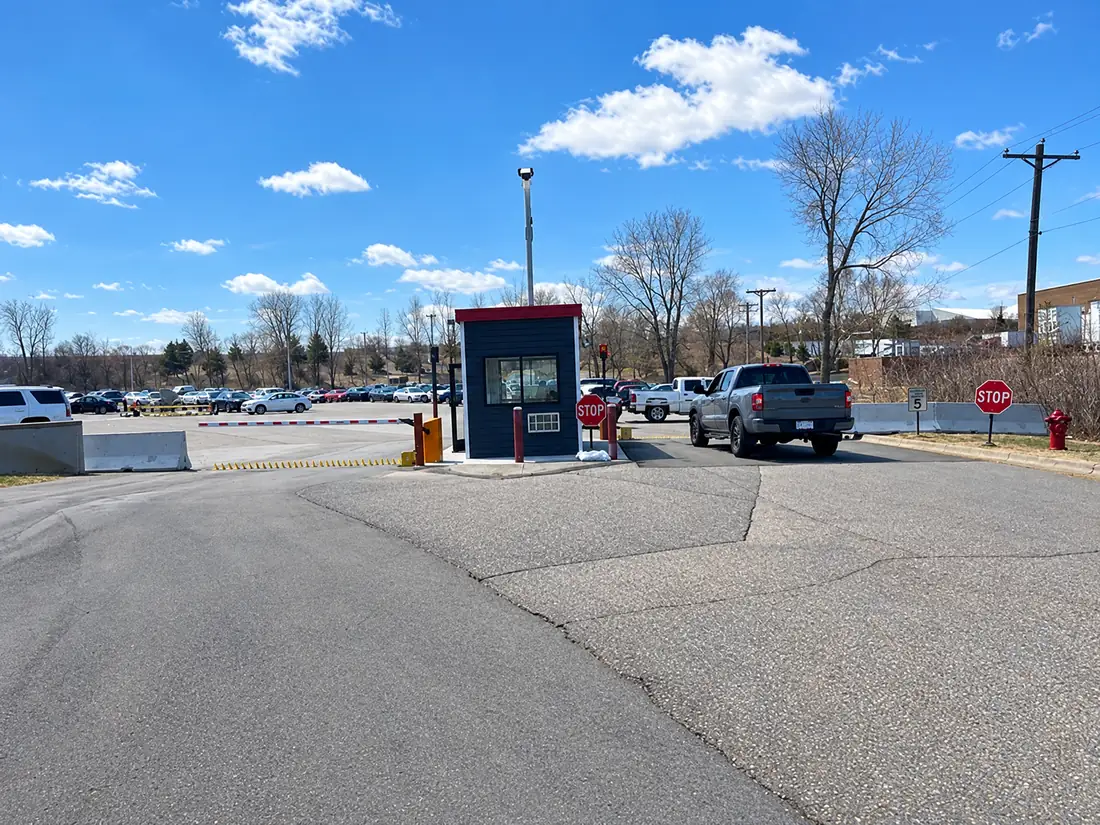
We plan the lane, the power run and the gate tie-in with you. Your electrician wires it, or our crew handles it end to end.
- Day 1
Survey & power
Mark the lane, the controller spot and the power run.
- Day 2–3
Set the units
Surface units bolt down. In-ground units drop into a fresh pad.
- Final day
Wire & commission
Controller, signals and gate tie-in tested in every mode.
Compare/ 07
Do you really need motorized?
If the lane is always one-way, probably not. Here's when it pays for itself.
| MotorizedYou're here | Surface-mountedView → | In-groundView → | |
|---|---|---|---|
| Two-way traffic | Yes, on command | No | No |
| Power | Yes | None | None |
| Install | On or in the pavement, plus power | Bolts on top | Set flush in a concrete pad |
| Time to install | 2–5 days | About a day | 2–3 days |
| Best for | Lanes that switch direction | Fast, affordable exits | A permanent flush look |
FAQ/ 08
Questions we hear every week.
Didn't see yours? Ask someone who installs these for a living.
855-526-9683
Real people. Real expertise.
Talk to
someone who
actually knows.
No scripts, no call-center runaround. Tell us how your gate works and we'll spec the controls to match.
- Live U.S. support
- Spec help & drawings
- TURNKEY INSTALL