
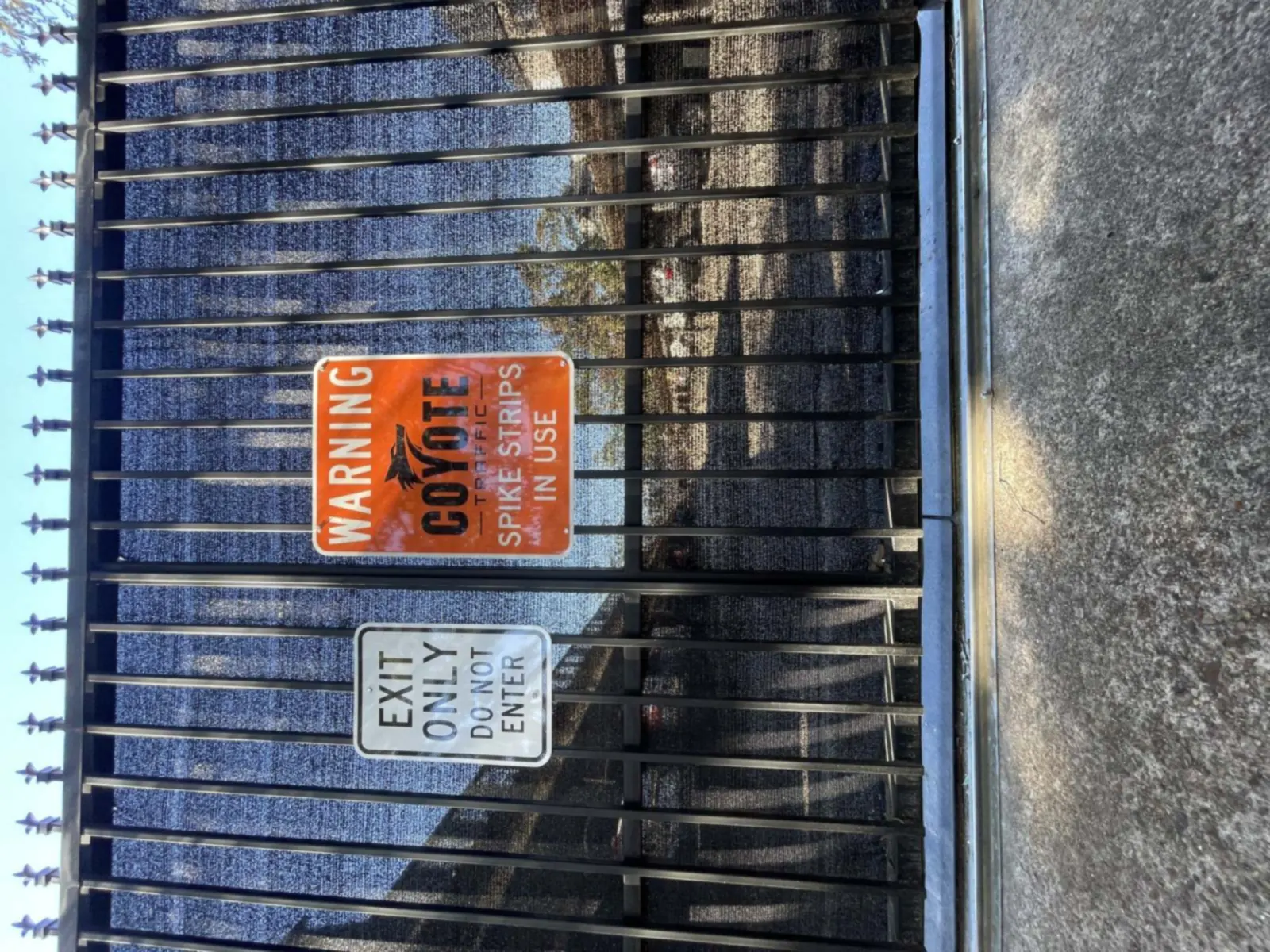
Today, we're diving into a big question that might have crossed your mind, especially if you've ever driven through a gated community or parked at an airport: Are traffic spikes legal? Let's explore the ins and outs of this topic and see what the law says.
What Exactly Are Traffic Spikes?
First, let's clarify what we're talking about. Traffic spikes, or tire deflation devices, are those metal spikes you see on the ground that make sure cars can only go one way. They're different from spike strips, which police use to stop cars. You'll typically find traffic spikes at places like airport parking lots, gated communities, and secure government sites. They help keep traffic flowing in the right direction and prevent unauthorized entry or exit.
The Legal Landscape
Federal and State Guidelines
- 01Federal Highway Administration (FHWA): The FHWA has guidelines that influence the use of traffic spikes. Generally, they are not approved for public roadways because of safety concerns. The FHWA follows the Manual on Uniform Traffic Control Devices (MUTCD), which sets the standards for all traffic control devices across the U.S.
- 02State Regulations: Each state has its own rules. For example, in Texas, the Department of Transportation advises against using traffic spikes on public roads due to potential hazards to vehicles traveling correctly and the maintenance issues they can cause. In Florida, there are specific statutes that address the safe use of such devices on private properties to avoid interfering with public traffic.
Safety Concerns
So, why all the fuss about safety? Here are a few reasons:
- 01Speed Limits: Traffic spikes are designed for low-speed areas, usually under 5 mph. If used where cars travel faster, they might not be effective and could cause accidents.
- 02Maintenance Needs: These devices need regular maintenance. Dirt, debris, and weather conditions can affect how they work. If not maintained, they could malfunction, posing a risk to vehicles.
- 03Emergency Access: What if there's an emergency? First responders need quick access, and traffic spikes can slow them down or damage their vehicles. That's why proper signage and emergency overrides are crucial.
Where and How They Are Used
Private Properties
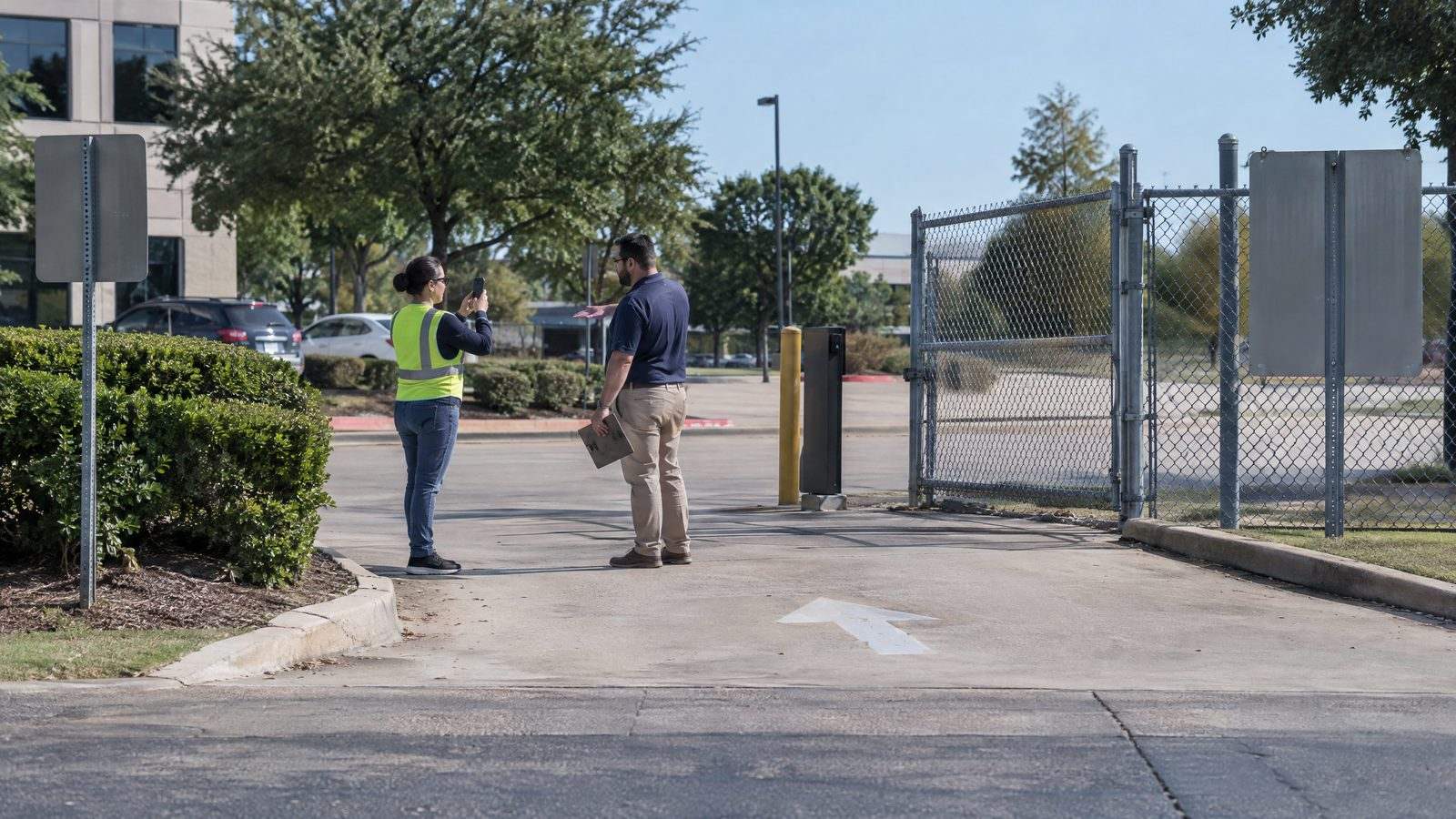
You'll find traffic spikes in places like parking lots, gated communities, and secure facilities. These areas control vehicle speed, reducing the risk of accidents.
Controlled Access Points
Airports and government buildings often use traffic spikes at entry and exit points. These locations have clear signage and controlled speeds to ensure safety.
Signage and Visibility
Good signage is a must. Signs should clearly warn drivers about the spikes, and reflective markers can help make them more visible, especially at night.
Best Practices
- 01Install Proper Signage: Ensure there are clear warning signs and reflective markers.
- 02Regular Maintenance: Keep the spikes clean and functional to prevent accidents.
- 03Emergency Protocols: Have procedures in place for emergency vehicles to navigate these areas without delay.
Conclusion
So, are traffic spikes legal? The answer is yes, but with conditions. They are typically legal on private properties and in controlled environments where proper safety measures are in place. However, their use on public roads is generally prohibited due to safety concerns. Always check local regulations and ensure compliance to use them safely and effectively.