Understanding Traffic Spikes
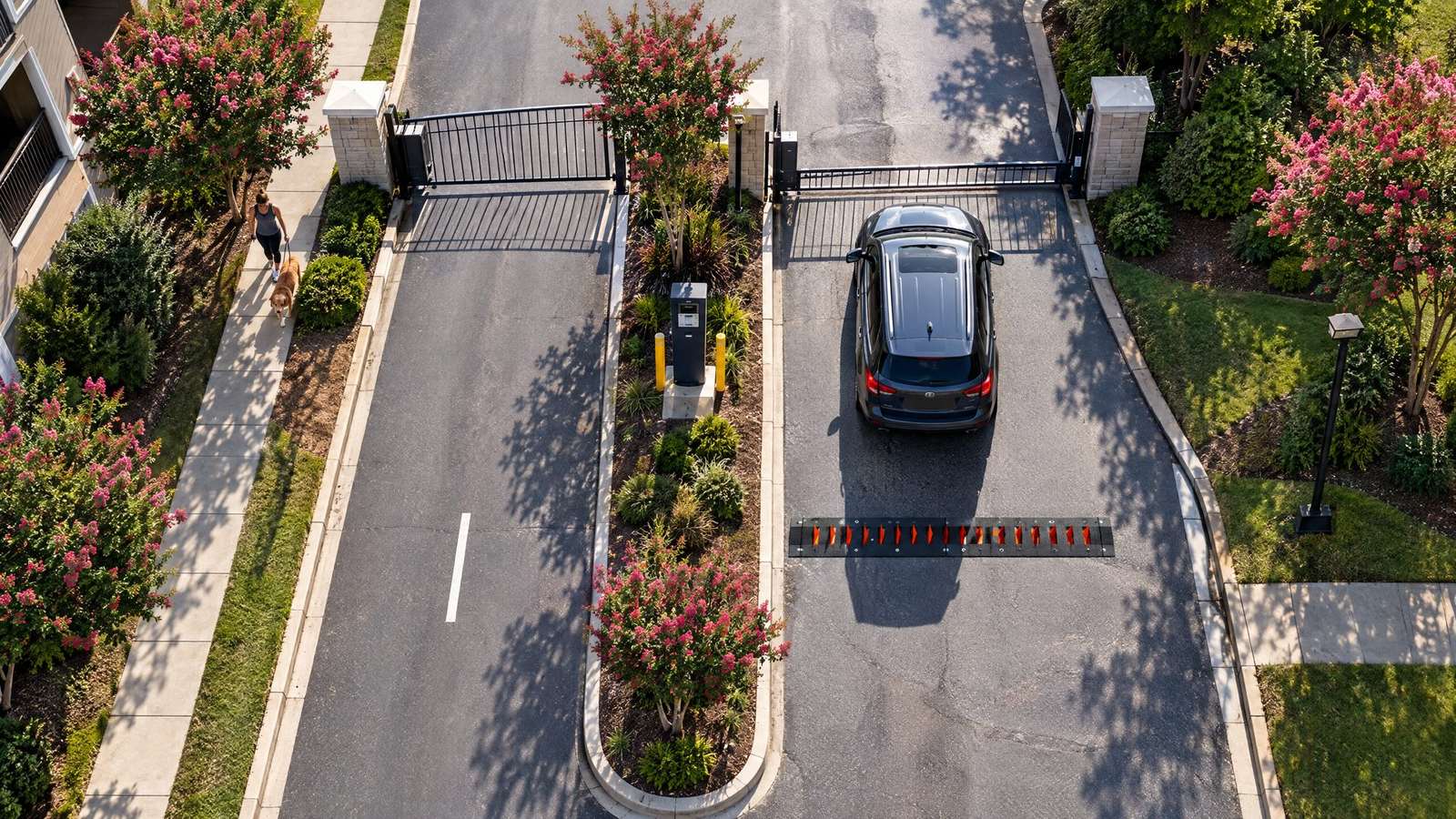
Traffic spikes, also known as tire deflation devices, are mechanical barriers installed on roadways to control vehicle access. They allow vehicles to pass safely in one direction while preventing movement in the opposite direction by puncturing tires if a vehicle attempts to cross illegally.
Key Features of Traffic Spikes:
- One-Way Control: Ideal for enforcing one-way traffic flow.
- Deterrence: Acts as a physical and psychological barrier against unauthorized access.
- Versatility: Available in surface-mounted or in-ground models, manual or motorized.
- Cost-Effective: Generally less expensive to install compared to other heavy-duty barriers.
Understanding Bollards
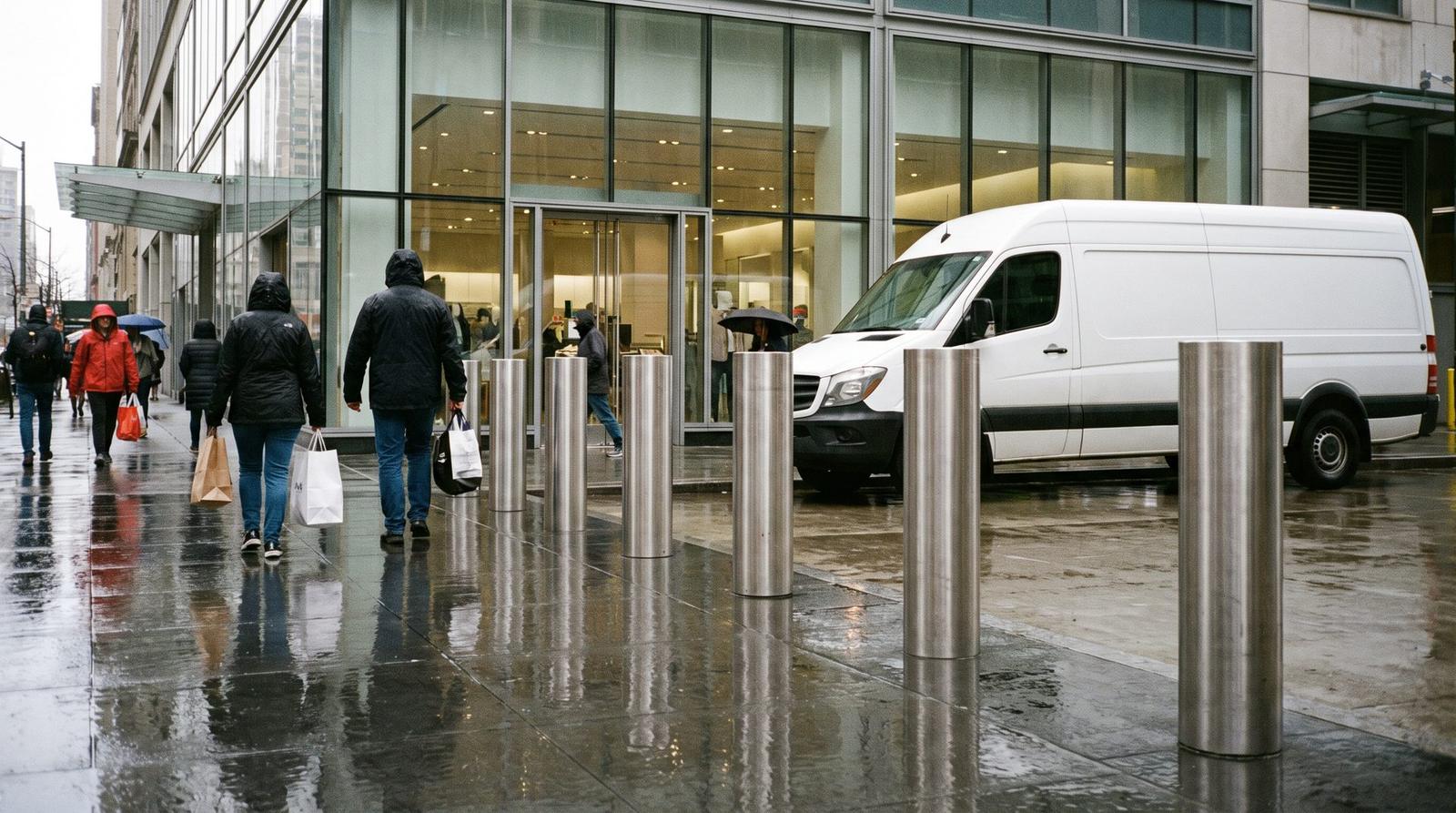
Bollards are sturdy, vertical posts installed to prevent vehicles from entering certain areas. They can be fixed, removable, or retractable, and are designed to withstand high-impact collisions, providing robust security for sensitive locations.
Key Features of Bollards:
- High Security: Capable of stopping vehicles attempting forced entry.
- Visual Deterrent: Visible presence discourages unauthorized access.
- Versatility: Available in various designs, from decorative to high-impact resistant models.
- Pedestrian-Friendly: Allows foot traffic while restricting vehicles.
Comparing Traffic Spikes and Bollards
| Aspect | Traffic Spikes | Bollards |
|---|---|---|
| Functionality | Controls vehicle direction, prevents wrong-way entry | Blocks vehicle access entirely, allows pedestrian flow |
| Security Level | Moderate – deters unauthorized access, punctures tires | High – can stop vehicles at high speeds |
| Installation | Surface-mounted or in-ground, easier installation | Requires deep excavation for high-security models |
| Cost | Generally more affordable | Can be expensive, especially for crash-rated bollards |
| Aesthetics | Functional appearance | Can be customized to match surroundings |
| Maintenance | Low to moderate, depending on model | Low, minimal upkeep required |
| Emergency Access | Can be integrated with override systems | Retractable models allow emergency vehicle access |
When to Choose Traffic Spikes
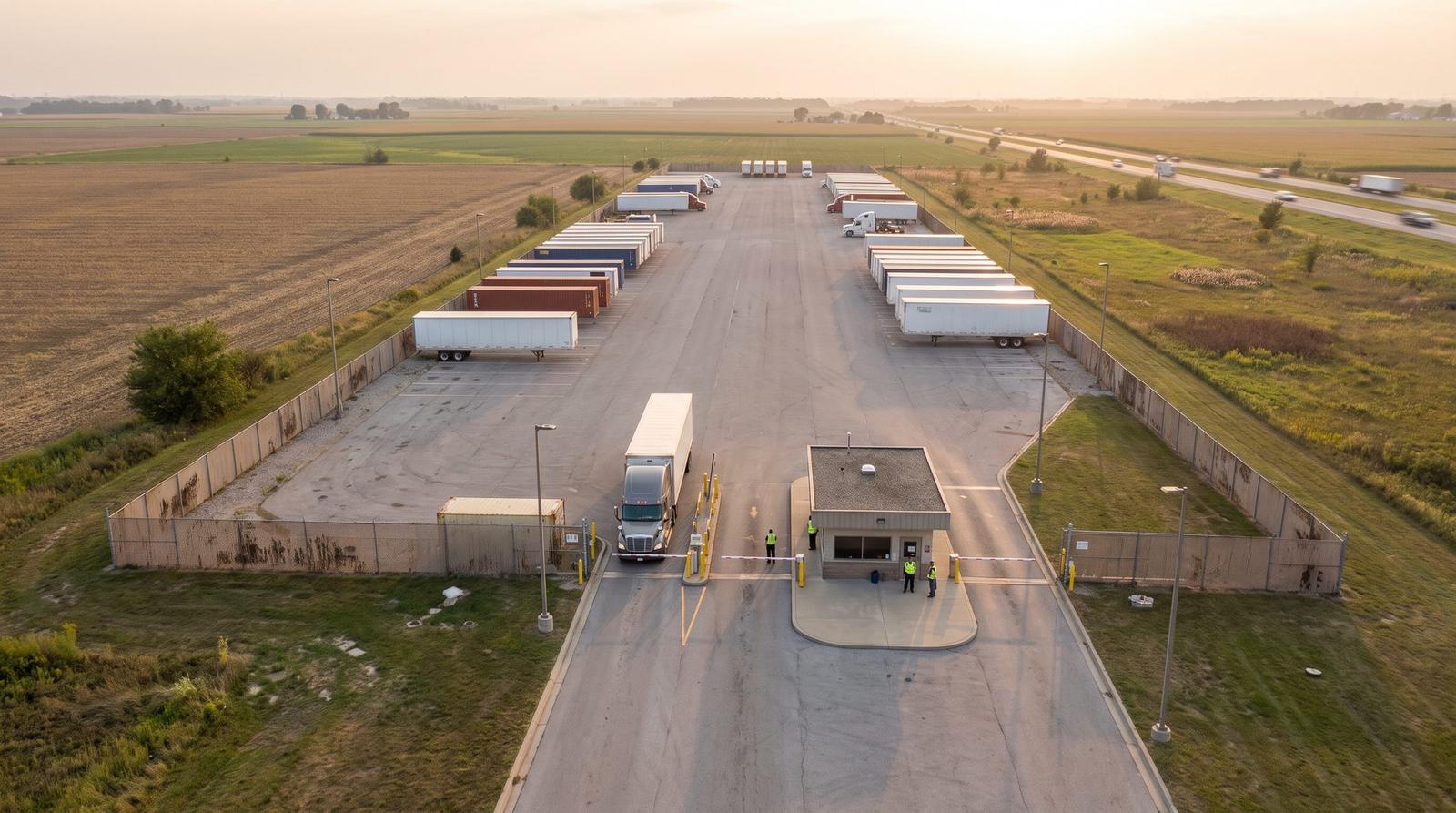
- 01Parking Facilities and Garages: Ideal for controlling entry and exit points; prevents unauthorized vehicles from entering or exiting through designated lanes.
- 02One-Way Traffic Enforcement: Enforces correct traffic flow in areas prone to wrong-way driving; enhances safety in parking lots and drive-through areas.
- 03Cost-Sensitive Projects: Suitable when budget constraints exist; offers effective access control without significant investment.
- 04Temporary Installations: Portable models available for events or temporary access control needs.
When to Choose Bollards
- 01High-Security Facilities: Critical infrastructure like government buildings, embassies, or military bases; requires stopping power against potential vehicle ramming attacks.
- 02Pedestrian Areas: Protects pedestrians in public spaces, sidewalks, and storefronts; prevents accidental or intentional vehicle intrusion.
- 03Aesthetic Considerations: Customizable designs to complement architectural styles.
- 04Permanent Installations: Long-term solutions for areas requiring consistent protection.
Factors to Consider When Choosing
- 01Security Requirements: Assess the level of threat and required security. High-risk areas may necessitate the use of bollards.
- 02Traffic Flow Needs: Determine if you need to control directionality (traffic spikes) or restrict vehicle access entirely (bollards).
- 03Environmental Conditions: Consider weather and environmental factors that may affect the functionality of the devices.
- 04Budget Constraints: Evaluate the total cost of ownership, including installation and maintenance.
- 05Aesthetic Impact: Decide if the appearance of the access control measure aligns with the environment.
- 06Installation Limitations: Assess the feasibility of installation, especially for bollards that require excavation.
- 07Regulatory Compliance: Ensure that the chosen solution complies with local laws and regulations.
Combining Traffic Spikes and Bollards
In some cases, combining both traffic spikes and bollards provides an optimal solution:
- Layered Security Approach: Bollards can provide perimeter security, while traffic spikes control specific entry and exit points within the secured area.
- Enhanced Traffic Management: Use bollards to restrict vehicle access to pedestrian zones and traffic spikes to manage authorized vehicle flow.
Why Choose Coyote Traffic for Your Access Control Needs
At Coyote Traffic, we specialize in providing customized access control solutions, including high-quality traffic spikes and bollards. Our products are designed with durability, safety, and effectiveness in mind: expert consultation to assess your specific needs, quality products suitable for various applications, professional installation, and ongoing support and maintenance services.
Conclusion
Choosing between traffic spikes and bollards depends on your specific security needs, traffic management requirements, and environmental conditions. By understanding the strengths of each option, you can make an informed decision that enhances safety and security for your facility.