
Traffic spikes are an effective method for controlling vehicular access, guiding traffic flow, and enhancing security in various facilities like parking lots, gated communities, and commercial properties. However, improper installation or misuse can lead to safety hazards, legal liabilities, and damage to vehicles. In this comprehensive guide, we'll outline the top 12 do's and don'ts for safe traffic spike installation and operation to ensure optimal performance and safety.
Do's for Traffic Spike Systems
- 01Do Clearly Mark and Signpost the Area — Install highly visible warning signs near the traffic spikes to alert drivers and pedestrians of their presence. Use reflective materials, especially in low-light conditions. Ensure that all signage conveys a clear and consistent message about the correct direction of travel and potential hazards.
- 02Do Install in Highly Visible Locations — Avoid blind spots; place traffic spikes in areas where drivers have a clear line of sight. Install spikes on straight road sections rather than curves or immediately after turns to give drivers ample warning.
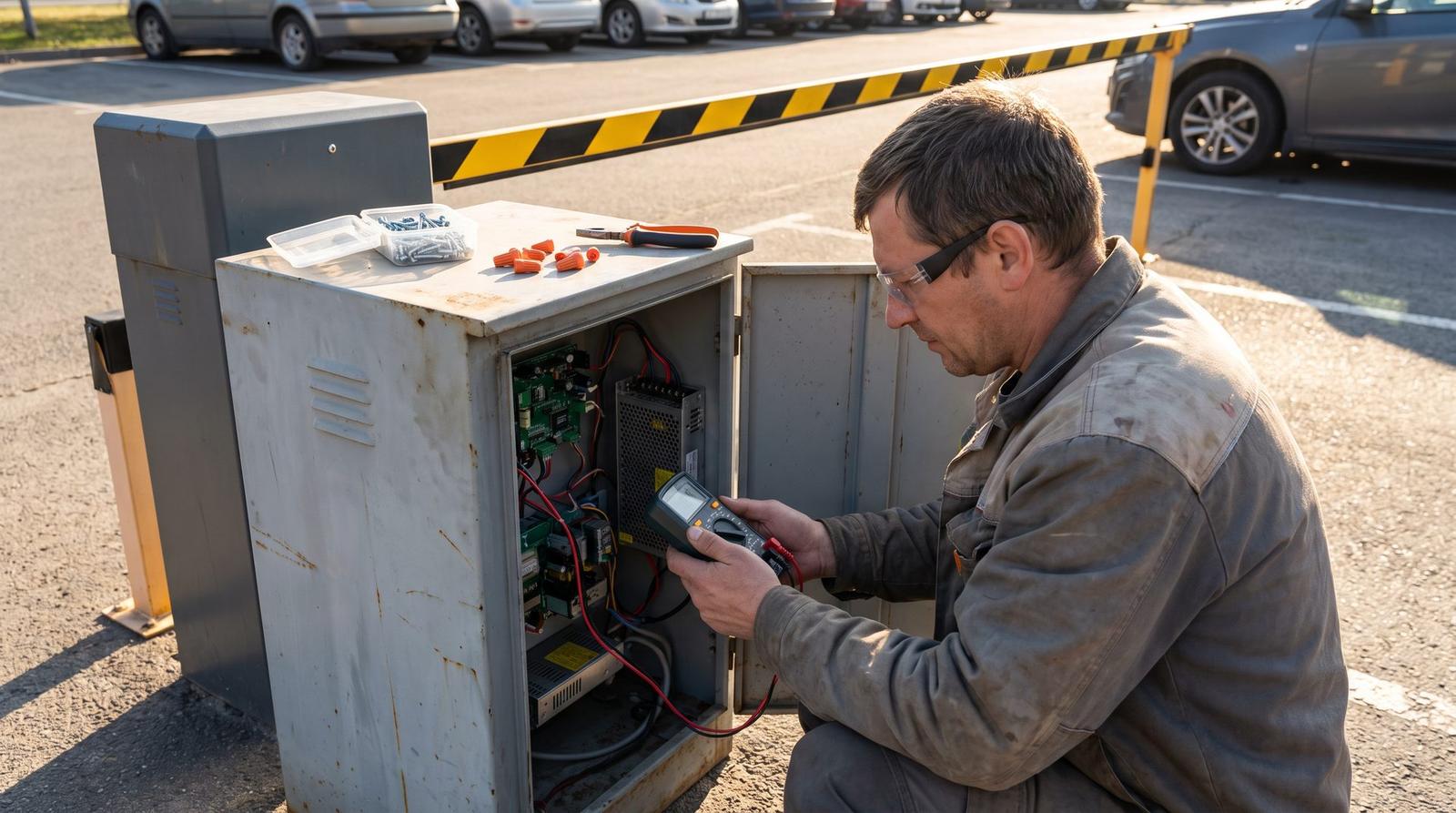
- 03Do Consult Professionals for Installation — Hire experienced professionals to evaluate your site and recommend the best traffic spike system. Ensure that the installation meets local laws, safety standards, and manufacturer guidelines.
- 04Do Control Vehicle Speed — To prevent damage to vehicles and the spikes themselves, vehicles should not exceed 5 mph when crossing. Install speed bumps if necessary and use warning signs to inform drivers to reduce speed before approaching the spikes.
- 05Do Ensure Proper Drainage — For in-ground spikes, design adequate drainage systems to avoid water pooling, which can cause mechanical issues. Keep drainage channels clear of debris to maintain functionality.
- 06Do Regular Maintenance and Inspections — Inspect the spikes periodically for wear, damage, or obstructions. Address any issues immediately to prevent accidents or equipment failure.

Don'ts for Traffic Spike Systems
- 01Don't Install on Curves or Uneven Surfaces — Installing spikes on a curve can lead to improper tire alignment over the spikes, increasing the risk of damage. Install on flat, even surfaces to ensure the spikes function correctly and safely.
- 02Don't Install on Inappropriate Road Surfaces — Avoid installing spikes on gravel, dirt, or brick surfaces. Opt for solid concrete or asphalt foundations. If necessary, lay a concrete pad to provide a stable base for the spikes.
- 03Don't Overlook Environmental Factors — Keep the area around the spikes free from excessive dirt, leaves, or gravel that could obstruct their operation. Be mindful of snow, ice, or heavy rainfall that may affect spike visibility and functionality.
- 04Don't Ignore Vehicle Alignment — Ensure that vehicles cross the spikes at a 90-degree angle for optimal safety and to prevent tire damage. Provide enough straight roadway before and after the spikes for vehicles to align properly.
- 05Don't Neglect Safety Measures for Pedestrians — If possible, provide a designated pedestrian walkway away from the spikes. Use pavement markings or barriers to guide pedestrians safely around the area.
- 06Don't Disable or Bypass Safety Features — Do not remove or disable springs, teeth guards, or other safety mechanisms. Adhere strictly to operational instructions to ensure the system functions safely.
Additional Tips for Optimal Use
- Driver Education: Inform regular users, such as residents or employees, about how to safely navigate over the traffic spikes.
- Emergency Access: Develop protocols for emergency vehicles to bypass or safely cross the spikes without hindrance.
- Legal Compliance: Stay updated on local regulations regarding traffic control devices to avoid legal issues.
Proper installation and operation of traffic spikes are crucial for maximizing their effectiveness while ensuring the safety of drivers and pedestrians. By following these do's and don'ts, you can enhance security, control traffic flow, and reduce the risk of accidents or damage.