Proper maintenance of traffic spikes is essential to ensure their longevity, performance, and the safety of all road users. Whether installed in parking lots, gated communities, or high-security facilities, well-maintained traffic spikes can provide reliable vehicle access control for many years. This comprehensive maintenance guide will help you understand how to care for your traffic spikes, maximize their lifespan, and keep them operating smoothly.
Why Maintenance Is Crucial for Traffic Spikes
Traffic spikes, also known as tire shredders or one-way traffic control devices, are mechanical systems exposed to constant vehicular traffic and environmental elements. Regular maintenance ensures:
- Optimal Performance: Prevents malfunction that could lead to unauthorized access or accidental tire damage. According to the Institute of Transportation Engineers (ITE), regular maintenance is key to the safe operation of traffic control devices.
- Safety: Reduces the risk of accidents due to mechanical failure. The National Safety Council (NSC) emphasizes that equipment maintenance is critical for preventing workplace accidents.
- Cost Savings: Extends the lifespan of the spikes, reducing the need for costly repairs or replacements.
- Compliance: Maintains adherence to safety regulations and standards set by organizations like the Occupational Safety and Health Administration (OSHA).
Maintenance Tips for Ensuring Longevity and Performance
1. Regular Visual Inspections
Frequency: At least once a month or more frequently in high-traffic areas. Check the spikes' condition for signs of wear, bending, or damage; ensure that all bolts and fixtures are secure; remove debris, dirt, and any foreign objects. Regular inspections align with OSHA's recommendations on equipment maintenance.
2. Lubrication of Moving Parts
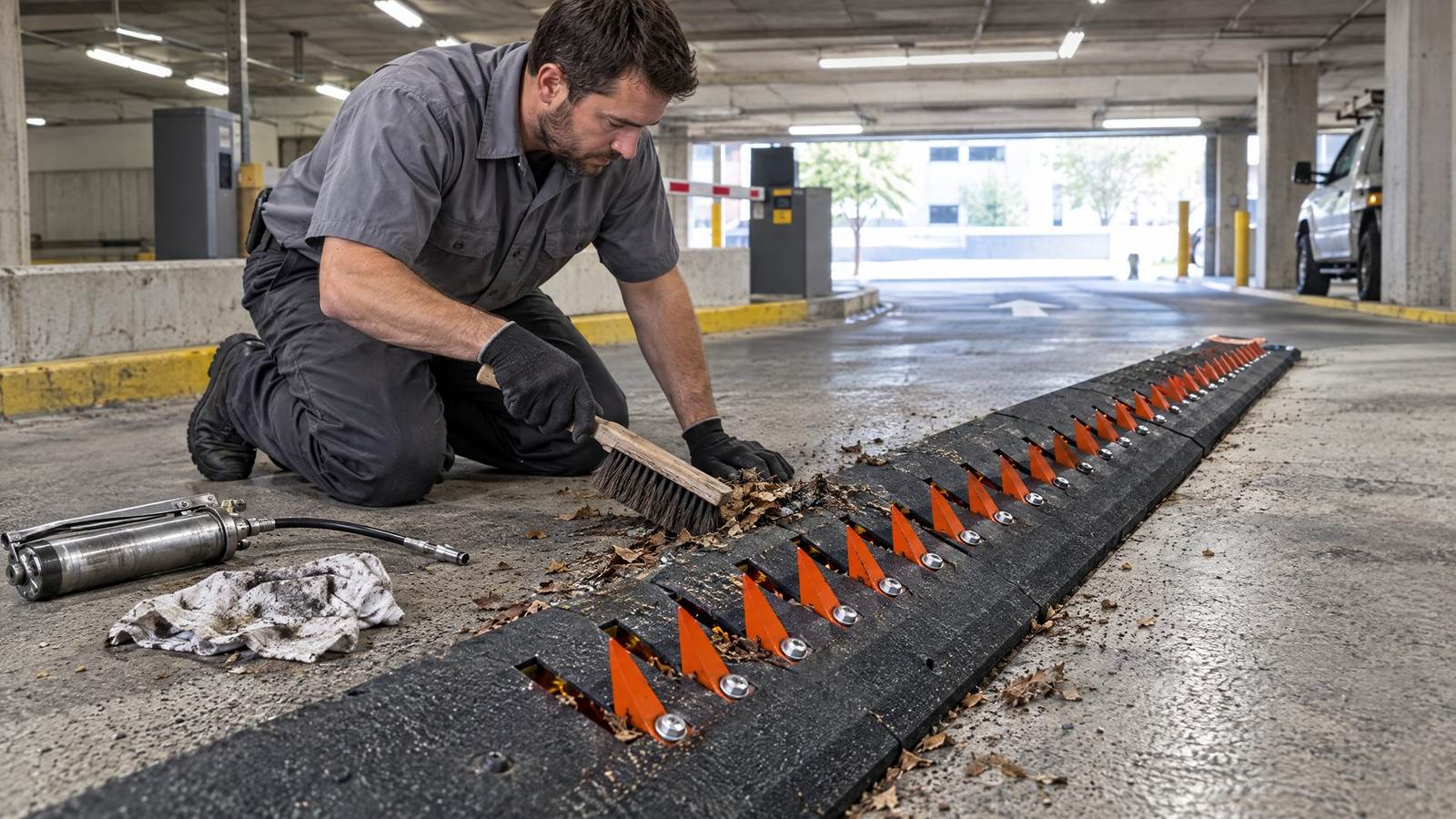
Reduces friction and prevents corrosion. Every 3 to 6 months, depending on usage and environmental conditions, apply high-quality, weather-resistant lubricants suitable for metal parts. Proper lubrication practices are advised by the American Society of Mechanical Engineers (ASME).
3. Cleaning and Debris Removal
For surface-mounted spikes, sweep the area to remove dirt, gravel, and debris that could obstruct spike movement. For in-ground spikes, check drainage systems to prevent water accumulation and clear any blockages in the spike recesses.
4. Spring Mechanism Inspection
The springs are critical for the proper movement of the spikes. Check for tension loss (replace springs showing signs of weakening) and corrosion (clean or replace corroded springs). Following manufacturer's guidelines ensures proper maintenance.
5. Mechanical Testing
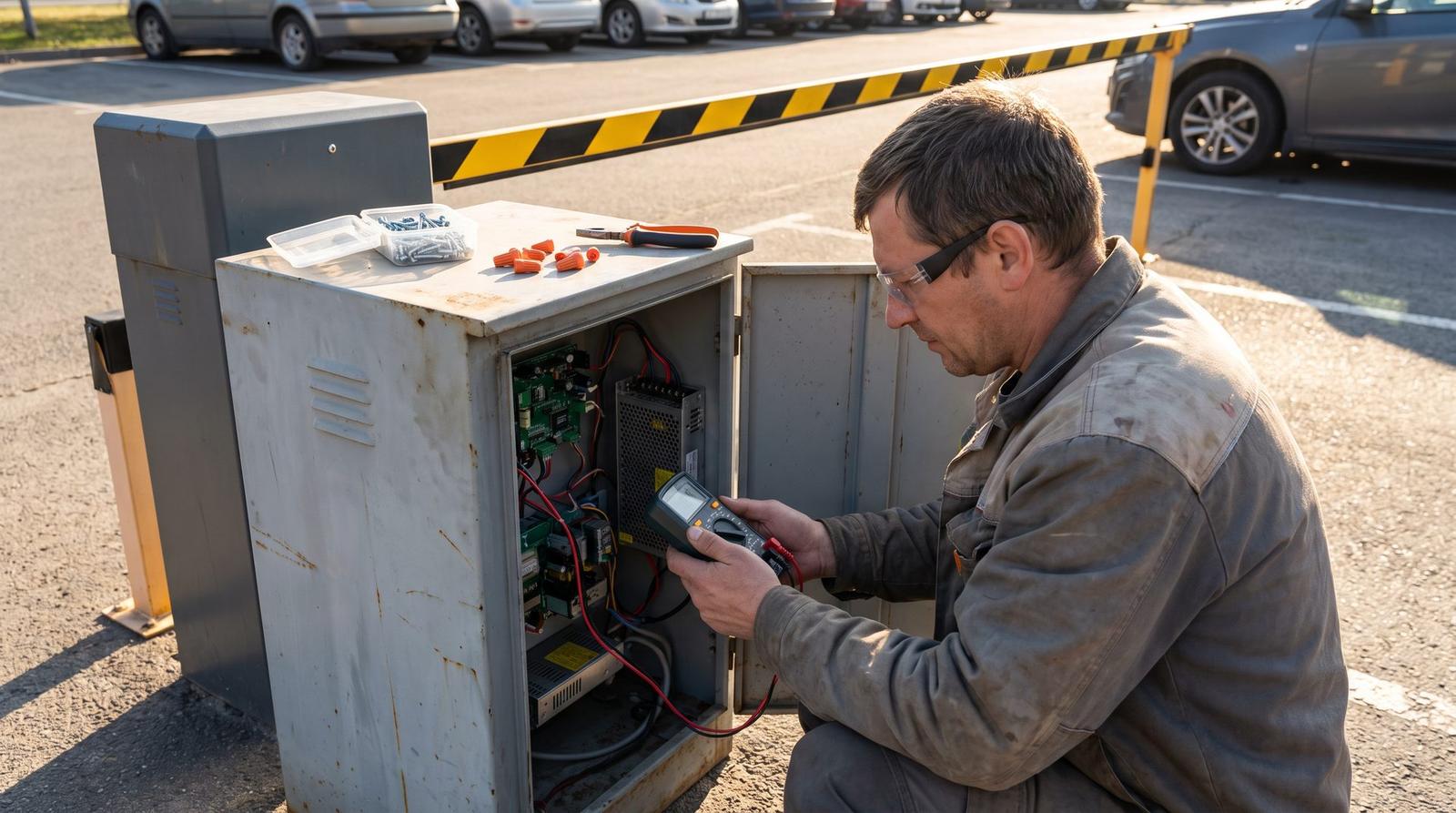
Periodically test the spikes manually to ensure smooth movement. For motorized spikes: inspect wiring, connections, and control panels; operate the spikes using control systems to verify responsiveness. Electrical safety practices should follow OSHA's electrical standards.
6. Weatherproofing Measures
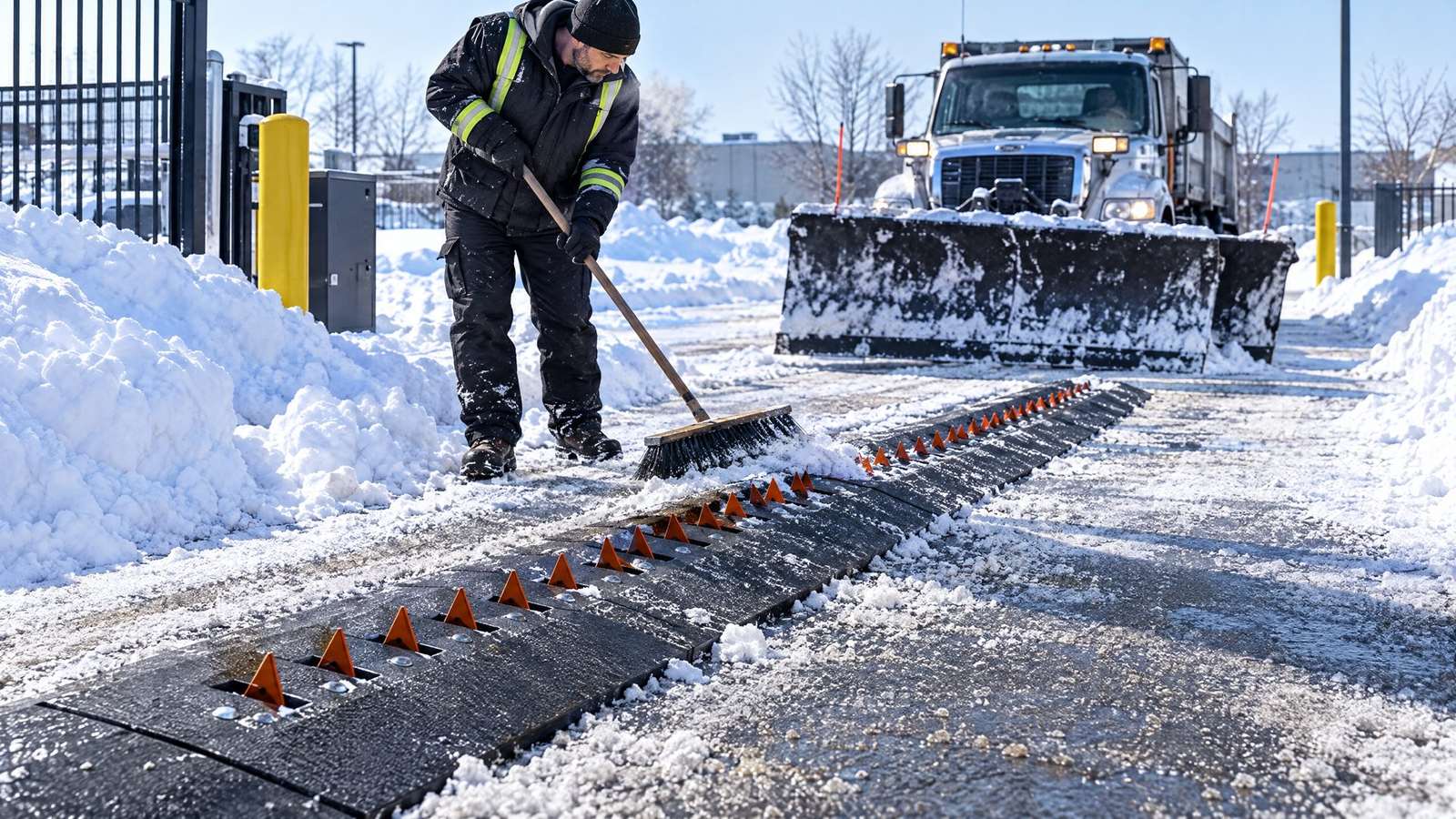
Apply anti-corrosion coatings if necessary. Replace worn seals to prevent water ingress. In cold climates, remove snow and ice buildup promptly. The Federal Highway Administration (FHWA) provides resources on maintaining roadway equipment in various weather conditions.
7. Safety Checks
Ensure that all signage is visible and in good condition, that any associated lighting is operational for nighttime visibility, and that emergency override systems are functional. Compliance with the Manual on Uniform Traffic Control Devices (MUTCD) is essential for signage and markings.
8. Professional Maintenance Services
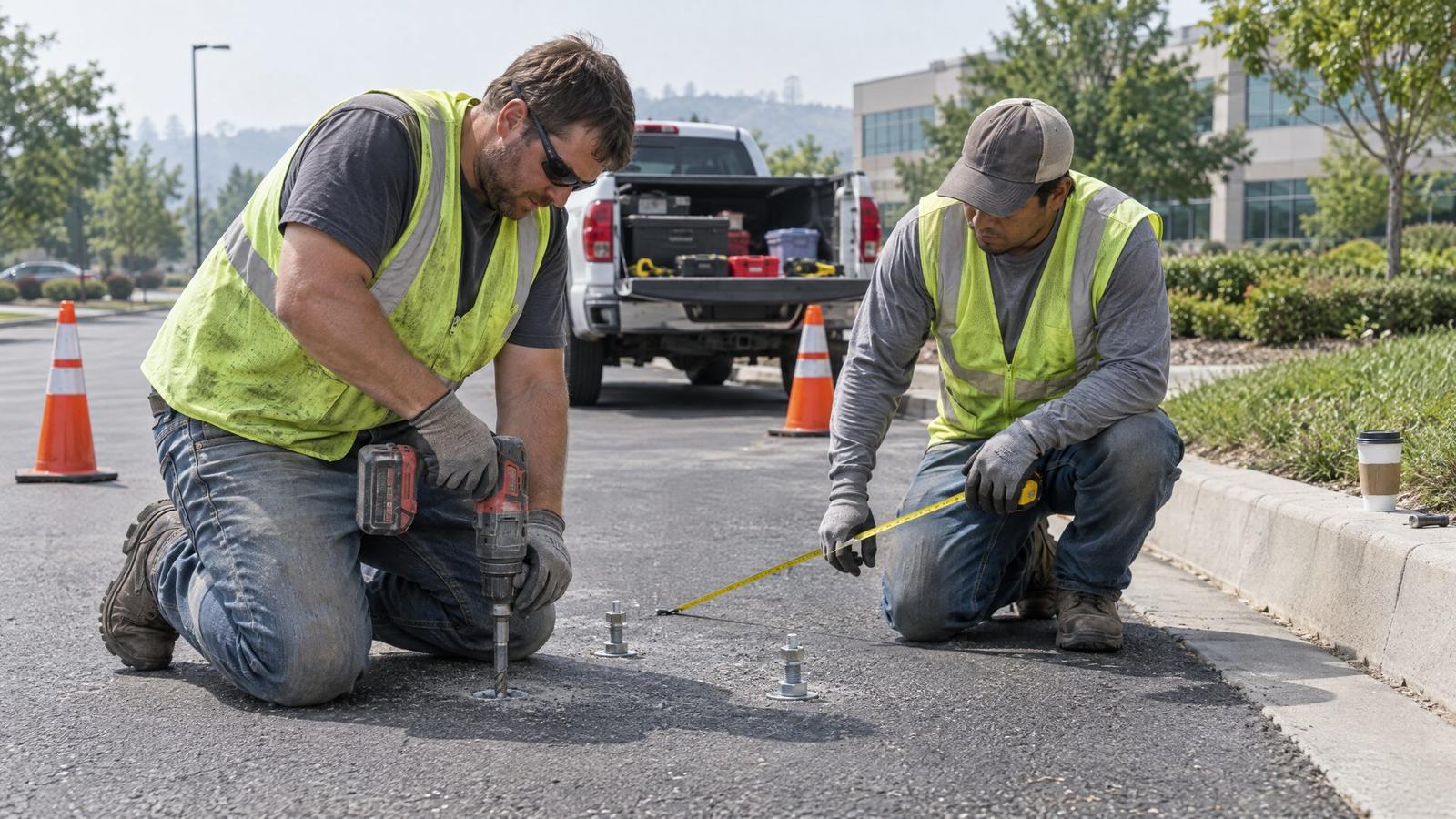
Arrange for professional inspections annually or biannually and utilize qualified technicians for any repairs or part replacements.
Best Practices for Maintenance Documentation
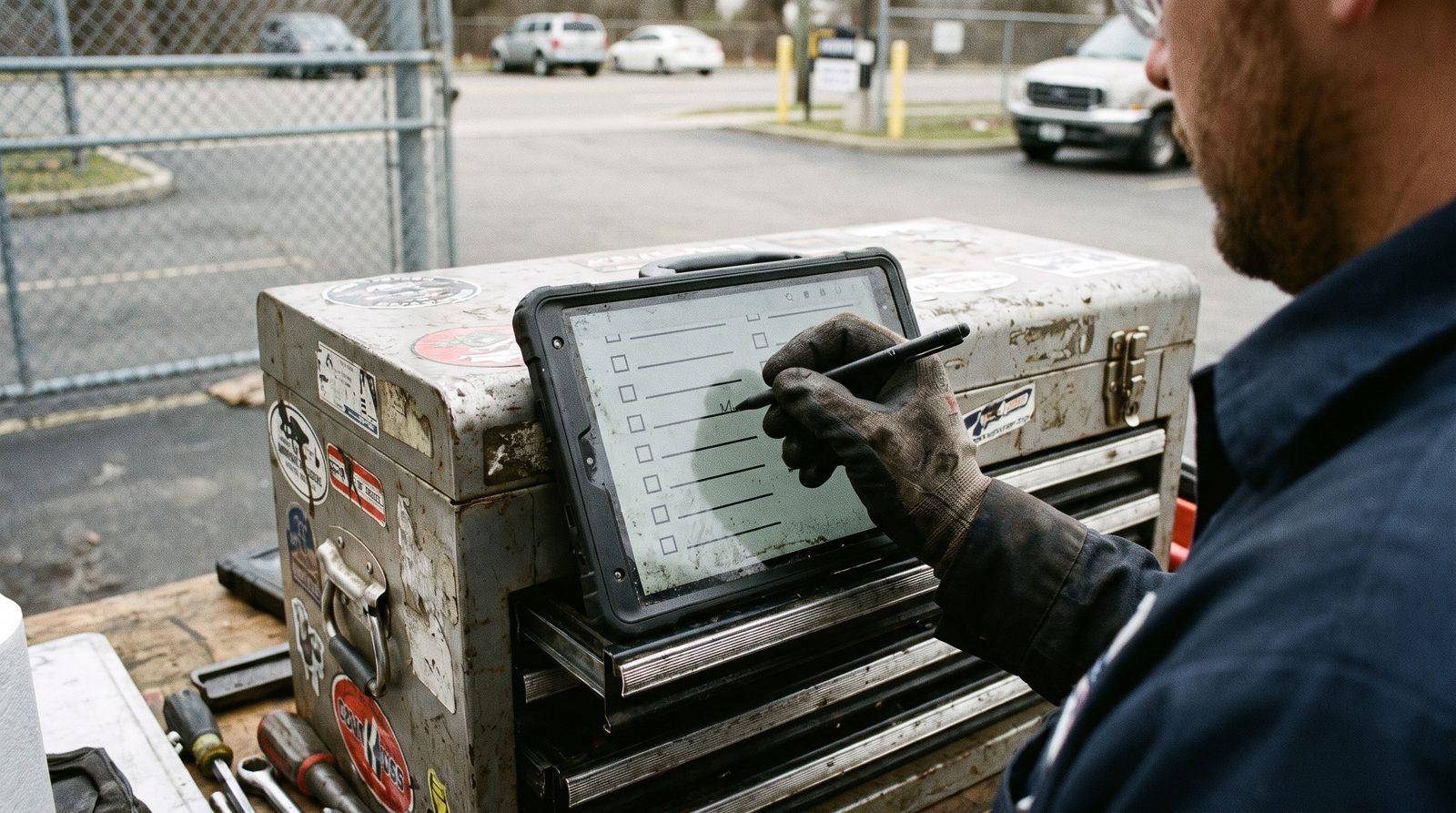
- Maintenance Logs: Keep detailed records of all inspections, maintenance activities, and repairs.
- Compliance Records: Document adherence to safety regulations and manufacturer recommendations.
- Incident Reports: Record any malfunctions or accidents, along with corrective actions taken.
Signs That Your Traffic Spikes Need Immediate Attention
- Unusual Noises: Squeaking, grinding, or clanking sounds during operation.
- Difficulty in Movement: Spikes not retracting or deploying smoothly.
- Visible Damage: Cracks, bends, or excessive wear on spikes or housing.
- Electrical Issues: Motorized spikes not responding to controls or exhibiting erratic behavior.
If any of these signs are observed, cease operation if necessary and consult a professional immediately to prevent accidents or further damage.
Why Choose Coyote Traffic for Maintenance and Support
At Coyote Traffic, we not only provide high-quality traffic spikes but also offer comprehensive maintenance and support services: expert technicians trained to service all types of traffic spikes, genuine parts designed for durability, customized maintenance plans based on your specific usage and environmental factors, and access to assistance whenever you need it.
Conclusion
Regular maintenance of traffic spikes is essential for ensuring their longevity, performance, and the safety of all who interact with them. By following the guidelines outlined in this maintenance guide, property owners and facility managers can minimize downtime, reduce costs, and maintain a secure environment.