
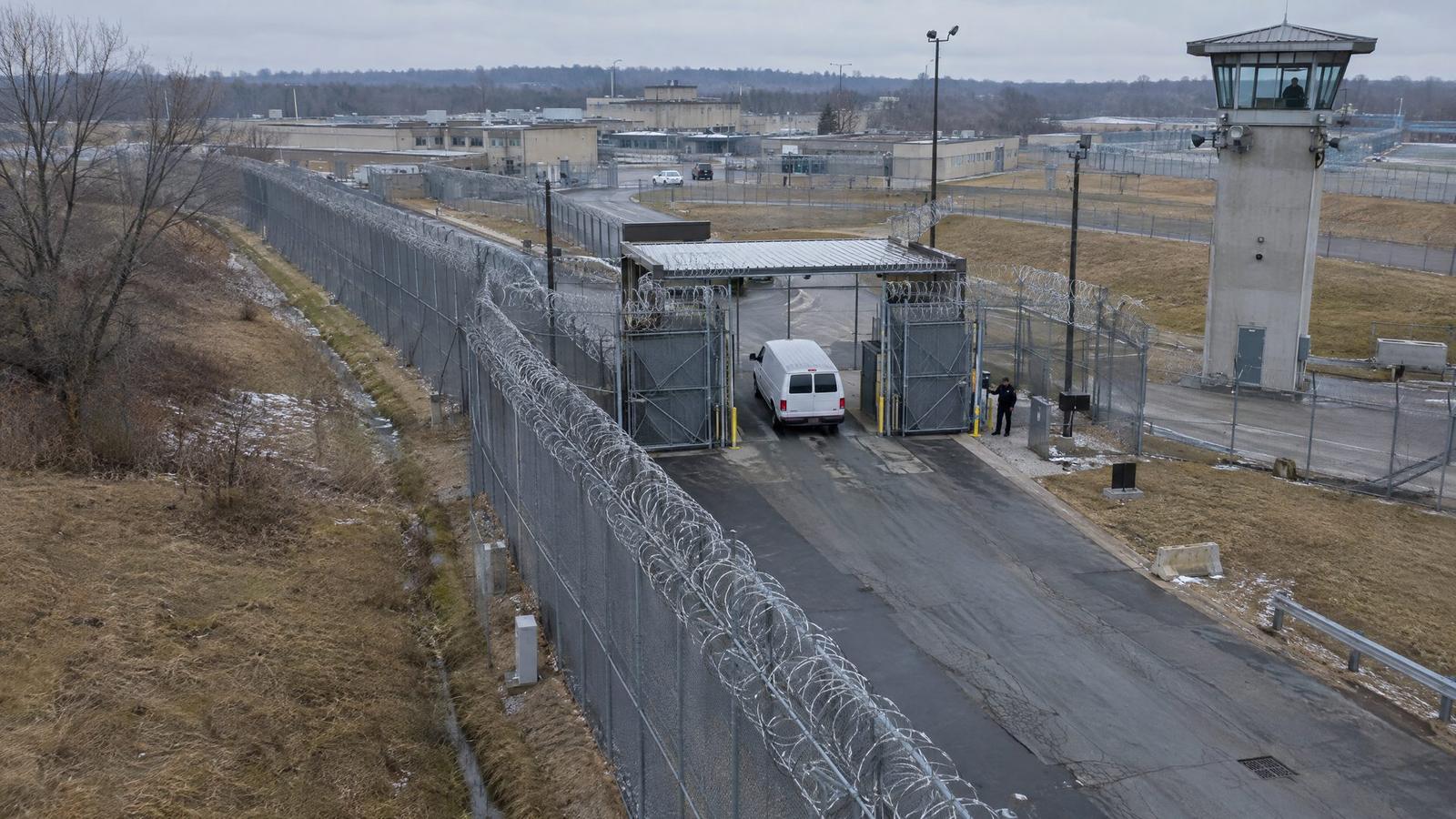
Maintaining the security of correctional facilities is a critical concern for law enforcement agencies and prison administrators. One effective method to enhance perimeter security and control vehicular access is the implementation of traffic spikes within prison grounds. This article explores how traffic spikes contribute to the safety and security of correctional facilities and why they are an essential component in modern prison security systems.
The Importance of Perimeter Security in Prisons
Correctional facilities require robust security measures to prevent escapes, contraband smuggling, and unauthorized access. According to the U.S. Department of Justice, effective perimeter security is vital for the safety of inmates, staff, and the public. Controlling vehicular access is a key aspect of this strategy, as vehicles can be used in escape attempts or to breach security protocols.
How Traffic Spikes Enhance Prison Security
Traffic spikes, also known as tire deflation devices, offer several security benefits in the correctional context:
- 01Prevent Unauthorized Vehicle Entry and Exit — Controlled access points ensure that vehicles can only enter and exit through designated points, as recommended by the Federal Bureau of Prisons (BOP), and act as a deterrent to escape attempts by disabling unauthorized vehicles.
- 02Enhance Surveillance and Monitoring — Traffic spikes can be integrated with surveillance cameras and access control systems, allowing for real-time monitoring as suggested by the National Institute of Justice (NIJ).
- 03Reduce Contraband Smuggling — By controlling vehicle movement, security personnel can better manage inspections to prevent contraband from entering or leaving the facility.
Types of Traffic Spikes Suitable for Correctional Facilities
- 01Motorized Traffic Spikes — Can be raised or lowered remotely, providing flexibility and quick response per American Correctional Association (ACA) standards, and sync with gate arms and security protocols for seamless operation.
- 02In-Ground Traffic Spikes — Flush with the road surface, minimizing visual impact, and built to withstand heavy-duty vehicles commonly used in facilities.
Benefits of Using Traffic Spikes in Prisons
- Enhanced Security: Provides a physical barrier against unauthorized vehicular movement.
- Operational Efficiency: Streamlines the flow of authorized vehicles, reducing delays.
- Cost-Effective: Low maintenance and durable, offering long-term savings as noted by the National Institute of Corrections (NIC).
Best Practices for Implementation
- 01Compliance with Regulations — Ensure that the installation complies with local, state, and federal regulations, including OSHA guidelines.
- 02Professional Installation — Engage experienced professionals for installation to meet high-security requirements.
- 03Regular Maintenance — Schedule routine inspections and maintenance to ensure optimal performance.
- 04Staff Training — Train security personnel on the operation and emergency protocols related to traffic spikes.
Why Choose Coyote Traffic Spikes for Correctional Facilities
At Coyote Traffic, we provide traffic spike solutions designed specifically for the rigorous demands of correctional facilities: high weight capacity handling up to 50 tons per axle, advanced integration with existing security and access control systems, durability engineered for longevity with minimal maintenance, and expert support with professional installation and ongoing compliance assistance.
Conclusion
Traffic spikes play a crucial role in enhancing the security of correctional facilities by controlling vehicular access and preventing unauthorized movements. By implementing these devices, prison administrators can significantly reduce the risks of escapes, contraband smuggling, and unauthorized entry.