
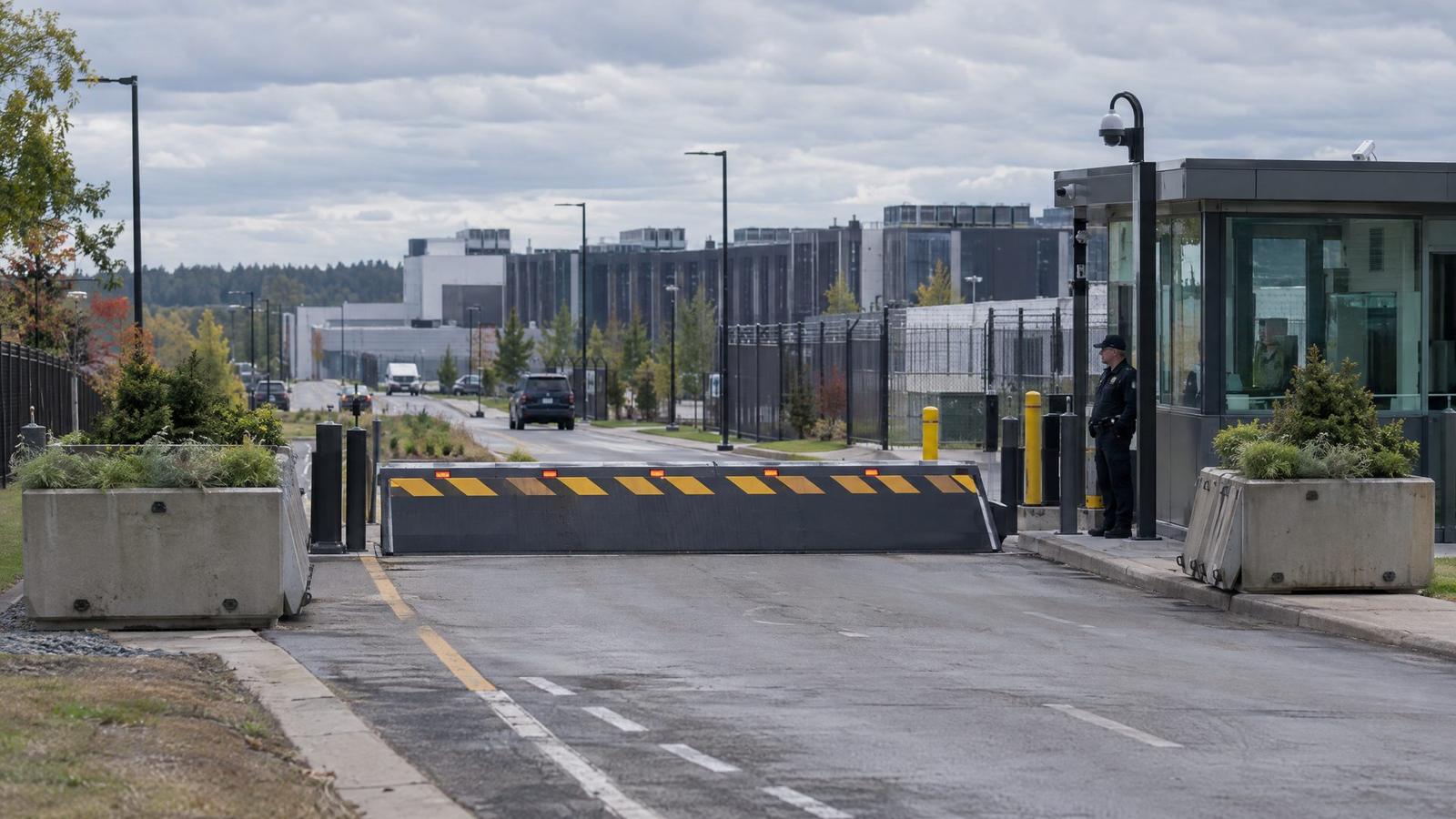
In an era where safeguarding sensitive sites is paramount, security professionals are turning to multi-layered defense strategies to keep threats at bay. Among the most effective physical measures are in-ground spike systems and robust crash barriers. When used together, these complementary systems form a formidable line of defense, ensuring that only authorized vehicles gain entry while providing a critical failsafe against determined intruders. Although common in highly secured areas like military installations, government facilities, and nuclear power plants, the principles behind these technologies serve as a compelling example of modern security engineering.
The First Line of Defense: In-Ground Spikes
In-ground vehicle spike systems serve as a highly visible and immediate deterrent against unauthorized entry. Installed at entry and exit points, these spikes remain flush with the ground under normal conditions, allowing authorized traffic to pass without obstruction. When triggered by an access control system or a security officer, the spikes rise and create an instant barrier. Attempting to drive over them without proper clearance risks severe tire damage, immobilizing the vehicle on the spot.
Spikes excel at filtering out opportunistic threats and are quick to deploy. Their mere presence sends a strong message to would-be intruders: this area is protected, and any unauthorized attempt will not go unnoticed or unchallenged. In most cases, the sight of an active spike system is enough to discourage illicit entries before they even begin.
The Second Layer: Crash Barriers
While spikes are excellent at halting or disabling standard vehicles, there are scenarios where a more forceful measure is required. That's where crash barriers come into play. Engineered to meet stringent vehicle crash standards, these heavy-duty barriers can stop larger, momentum-driven threats—such as a truck ramming through a checkpoint—by absorbing and dispersing kinetic energy on impact.
Crash barriers are typically installed a short distance behind the spike system. If an intruder attempts to accelerate through the spikes, ignoring tire damage or traveling in a hardened or modified vehicle, the crash barrier activates as the next line of defense. Some crash barriers are designed to raise from below ground level, while others remain upright and impose a permanent physical blockade. Either way, the result is the same: an overwhelming physical obstacle capable of stopping heavy, high-speed vehicles in their tracks.
Synergy Through Layered Security
The true strength of combining spikes and crash barriers lies in their layered approach. When an unauthorized vehicle approaches, it first encounters the spike system. In many cases, this is where the story ends—few drivers are willing to sacrifice their vehicle's tires or potentially damage critical components just to breach a secure area.
If, however, the individual is more determined and attempts to force entry despite the spikes, the crash barrier stands ready as an uncompromising last resort. Together, these systems provide security teams with a graduated response: the spikes serve as the initial deterrent and disabling mechanism, while the crash barrier provides an ultimate failsafe, capable of halting even the most aggressive attempts at forced entry.
Where You'll Find These Systems
Due to their complexity and cost, the combination of spike systems and crash barriers is most commonly found in highly secured environments. Military bases, for instance, may employ these layers of defense at main gates, sensitive research facilities, or weapons storage areas. Government buildings, national monuments, and critical infrastructure sites—such as power plants or reservoirs—may also use this combination to ensure that any threat can be neutralized quickly and decisively.
Beyond the Gate: Comprehensive Security Planning
While physical barriers like spikes and crash barriers are essential, they are most effective when integrated into a broader, holistic security strategy. Surveillance cameras, motion detectors, vehicle screening procedures, armed security personnel, and robust communication networks all play vital roles in keeping secure facilities safe. Every potential vulnerability should be addressed, ensuring that would-be intruders face multiple layers of deterrence, detection, and response.
Conclusion
In environments where security cannot be compromised, combining in-ground spike systems with high-impact crash barriers delivers unmatched protection. The spikes serve as the first, highly visible warning, while the crash barriers offer an unyielding defense against those who would dare to push beyond the initial deterrent.