
How Traffic Spikes Can Stop Wrong-Way Drivers and Save Lives
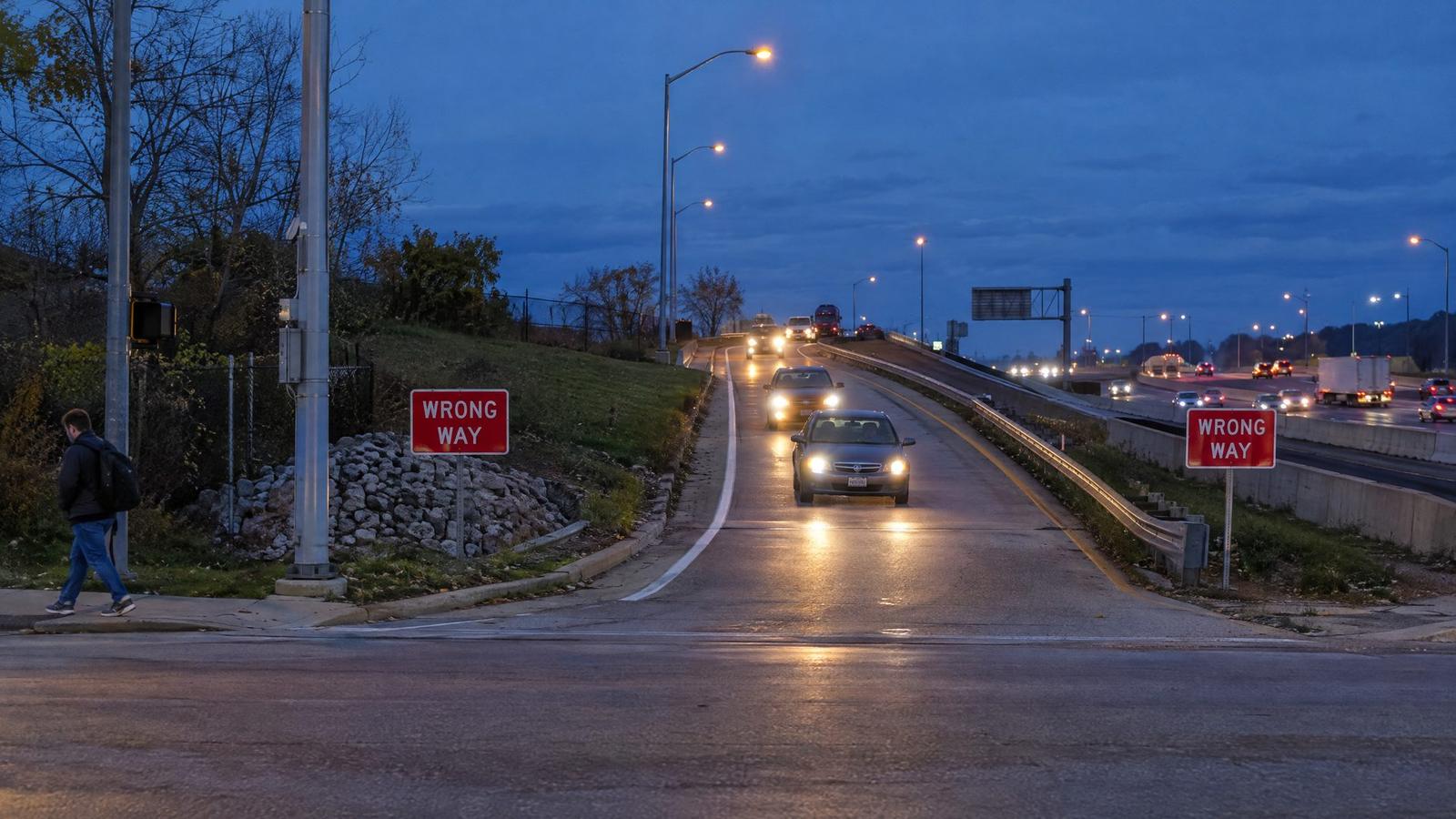
Wrong-way driving is a grave global issue, posing severe risks to motorists and often ending in fatal crashes. While numerous measures—such as improved signage, lighting, and advanced detection systems—are deployed to prevent these incidents, traffic spikes stand out as a particularly effective solution. By installing traffic spikes on highways worldwide, we can intervene before wrong-way drivers merge into high-speed lanes, thereby reducing catastrophic head-on collisions.
The Global Wrong-Way Driving Problem
Wrong-way driving incidents occur in many countries, placing countless lives at risk. The AAA Foundation for Traffic Safety reported that more than 2,000 deaths occurred due to wrong-way crashes on divided highways in the United States between 2015 and 2018. The U.S. Federal Highway Administration (FHWA) further notes that these collisions, though relatively rare, are notably more deadly than other types of crashes.
This problem isn't limited to the U.S. Countries in Europe, Asia, and elsewhere have faced similar challenges, as drivers entering highways from off-ramps or misreading signs find themselves traveling into oncoming traffic. The severity of these crashes underscores the need for additional protective measures.
Traffic Spikes: A Proven Deterrent
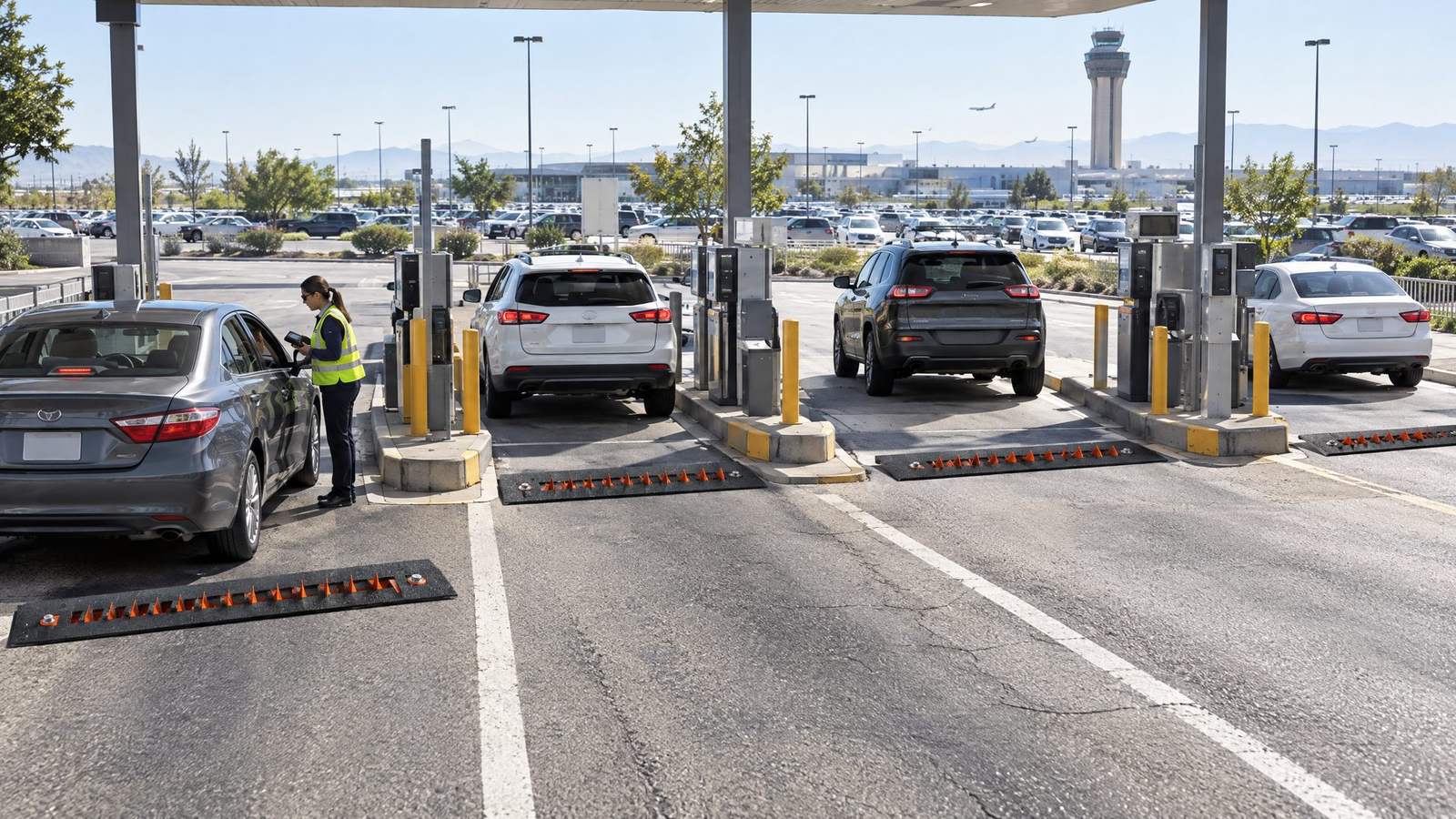
Traffic spikes, commonly found in parking lots and secure facilities, use a simple but powerful design: they allow tires to pass safely in one direction, but if approached from the opposite direction, they puncture tires and halt any further progress. By adapting these systems for highway off-ramps, authorities can create a strong deterrent. Drivers attempting to enter the highway the wrong way immediately face severe tire damage, stopping them before they reach traffic moving at high speeds.
How Traffic Spikes Work on Highways
When installed on exit ramps, traffic spikes remain flat as vehicles roll off the highway in the intended direction. If a car tries to go up the ramp from the street side, the spikes remain raised, causing the tires to be punctured. This immediate mechanical intervention effectively prevents the driver from continuing onto the highway and endangering innocent travelers.
The Impact on Safety and Lives Saved
By disrupting a wrong-way driver's path before they reach high-speed lanes, traffic spikes can dramatically reduce the potential for deadly head-on collisions. While comprehensive global data on traffic spikes is still emerging, early implementations show promise. The logic is straightforward: fewer wrong-way entries onto highways mean fewer chances for severe, often fatal crashes.
Implementing Traffic Spikes Worldwide: Challenges and Considerations
Bringing these systems to highways around the globe requires careful planning. Authorities must consider the costs of installation and maintenance, as well as the suitability of traffic spikes for different climates and roadway conditions. Integration with other safety features, such as improved signage and radar-based wrong-way detection systems, helps ensure the overall solution works seamlessly. Despite these challenges, traffic spikes represent a tangible step forward in protecting lives.