The Origins of Traffic Control
The need for traffic control dates back to ancient civilizations. The Romans, for example, were among the first to implement structured road systems and regulations to manage the flow of chariots and carts within their bustling cities. Fast forward to the 19th century, and the advent of automobiles necessitated more formalized traffic control measures. The first traffic light, installed in London in 1868, marked a significant milestone, paving the way for modern traffic management systems.
As cities grew and vehicles became more prevalent, the complexity of traffic control increased. By the early 20th century, urban planners began to recognize the need for organized traffic flow to prevent congestion and accidents. The introduction of traffic signs, road markings, and regulated intersections became standard practices to ensure smooth and safe transportation.
The Rise of One-Way Traffic Control
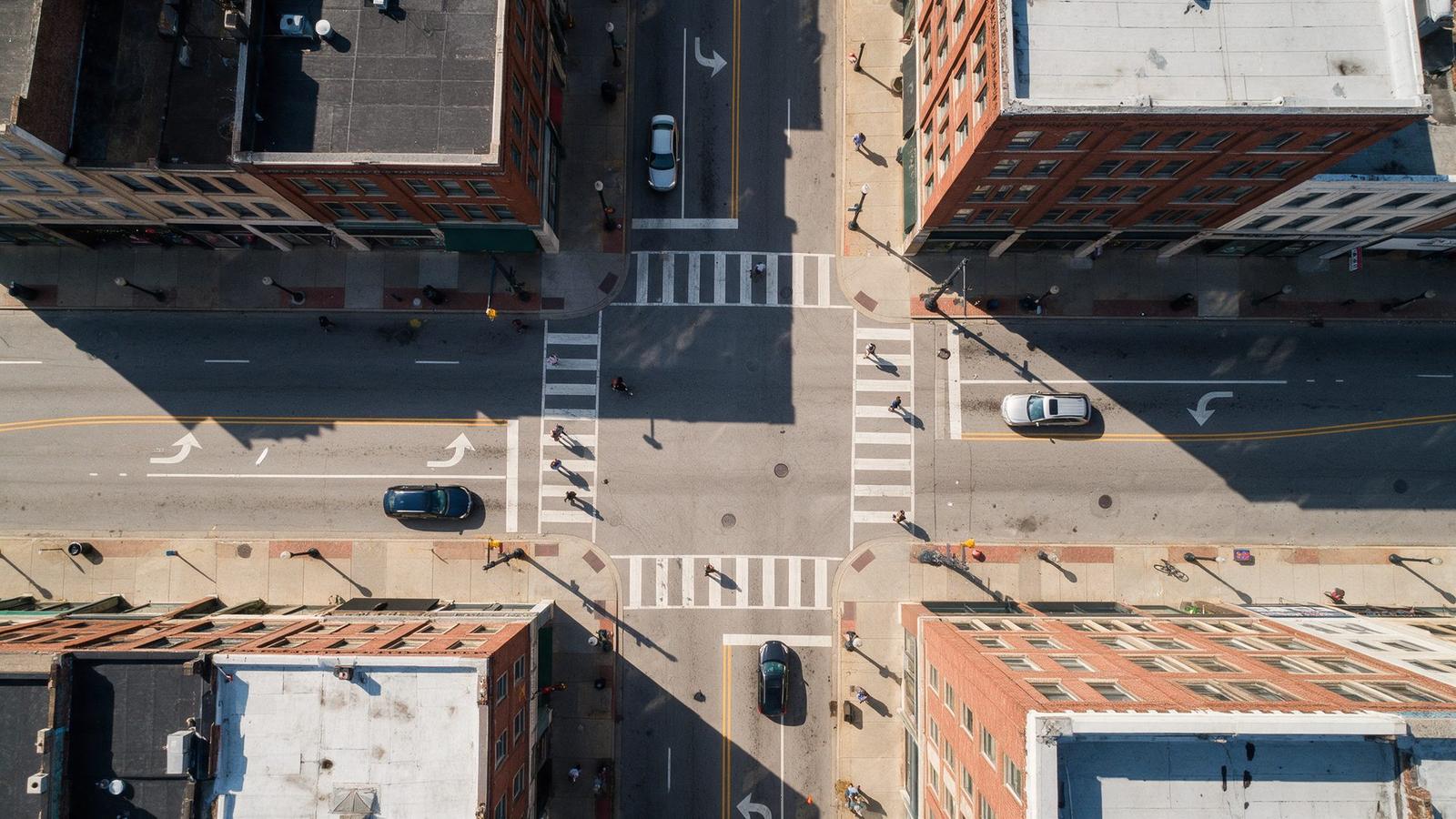
One-way traffic control emerged as a practical solution to manage high-traffic areas and reduce the risk of collisions. By directing vehicles to move in a single direction, cities could alleviate congestion and enhance road safety. This system is particularly effective in dense urban areas with narrow streets, where bidirectional traffic would lead to frequent bottlenecks and accidents.
In addition to improving traffic flow, one-way streets play a crucial role in perimeter security. By controlling the direction of vehicle movement, authorities can better monitor and manage access to sensitive areas. This is particularly important in high-security zones such as government buildings, military installations, and critical infrastructure sites.
The Necessity of Two-Way Traffic Control
While one-way traffic control is effective in certain scenarios, two-way traffic control remains essential for the broader road network. This system allows for the free movement of vehicles in both directions, accommodating the diverse travel needs of the public. Two-way streets are vital for emergency response routes, enabling quick access for ambulances, fire trucks, and police vehicles.
In terms of perimeter security, two-way traffic control offers flexibility and redundancy. It ensures that security personnel can swiftly redirect traffic in case of an emergency or threat. Moreover, it allows for controlled entry and exit points, facilitating thorough inspections and preventing unauthorized access. This dual-direction control is crucial for maintaining robust security around sensitive sites.
Addressing Modern Challenges
In today's world, the need for effective traffic control is more pressing than ever. With increasing urbanization, the rise in vehicular traffic, and the growing threat of security breaches, cities must adopt advanced traffic management strategies. Recent events have highlighted the vulnerabilities in our infrastructure, emphasizing the importance of secure and efficient traffic systems.
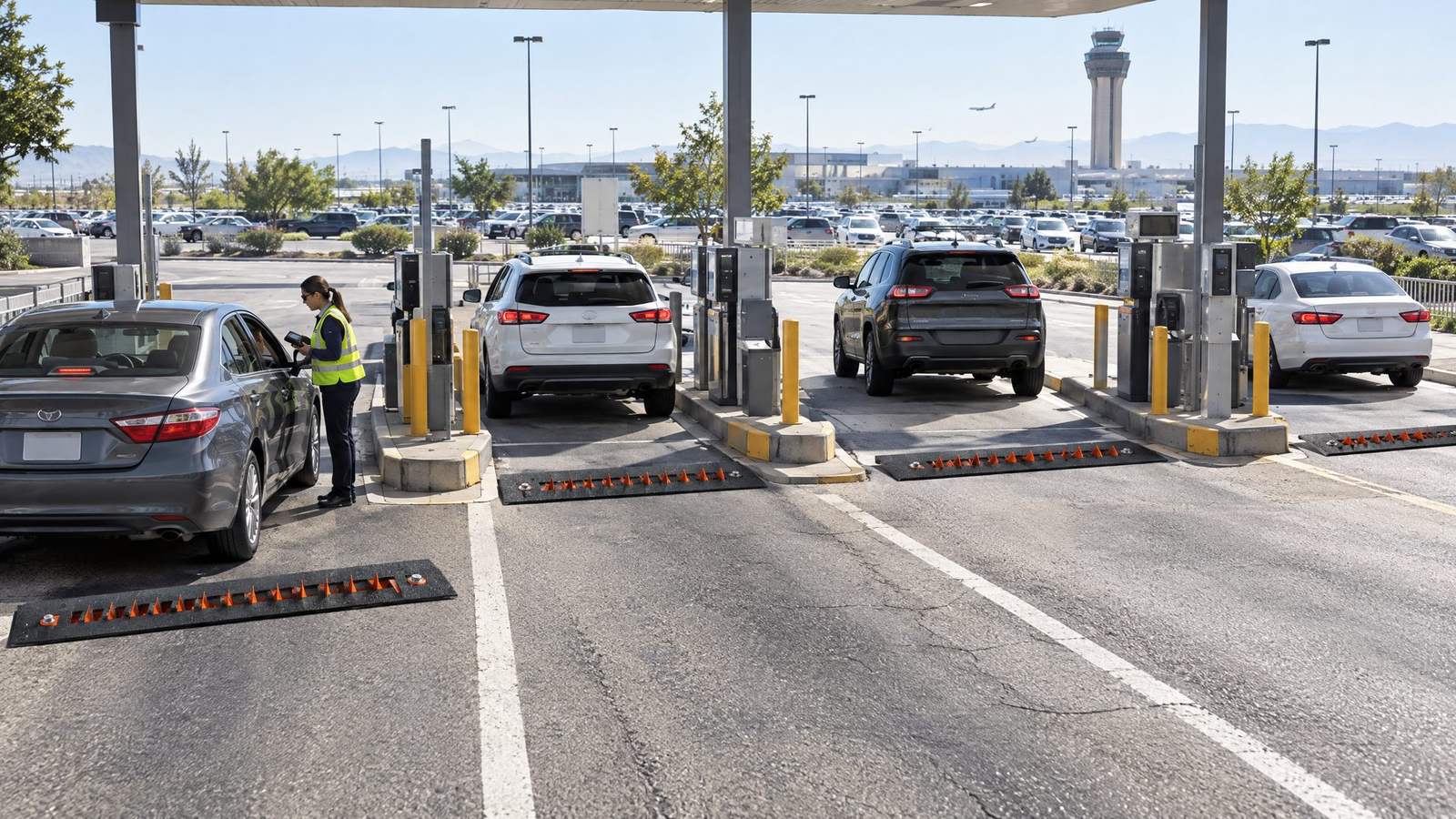
Implementing sophisticated traffic control measures, such as motorized spikes, automated barriers, and intelligent traffic signals, can significantly enhance perimeter security. These technologies allow for real-time monitoring and rapid response, ensuring that only authorized vehicles gain access to restricted areas.
Conclusion
The evolution of traffic control reflects the continuous effort to balance safety, efficiency, and security. One-way and two-way traffic systems each play a vital role in managing urban transportation and securing perimeters. At Coyote Traffic, we are dedicated to providing cutting-edge traffic control solutions that meet the highest standards of safety and security.