The Challenge of High-Traffic Areas
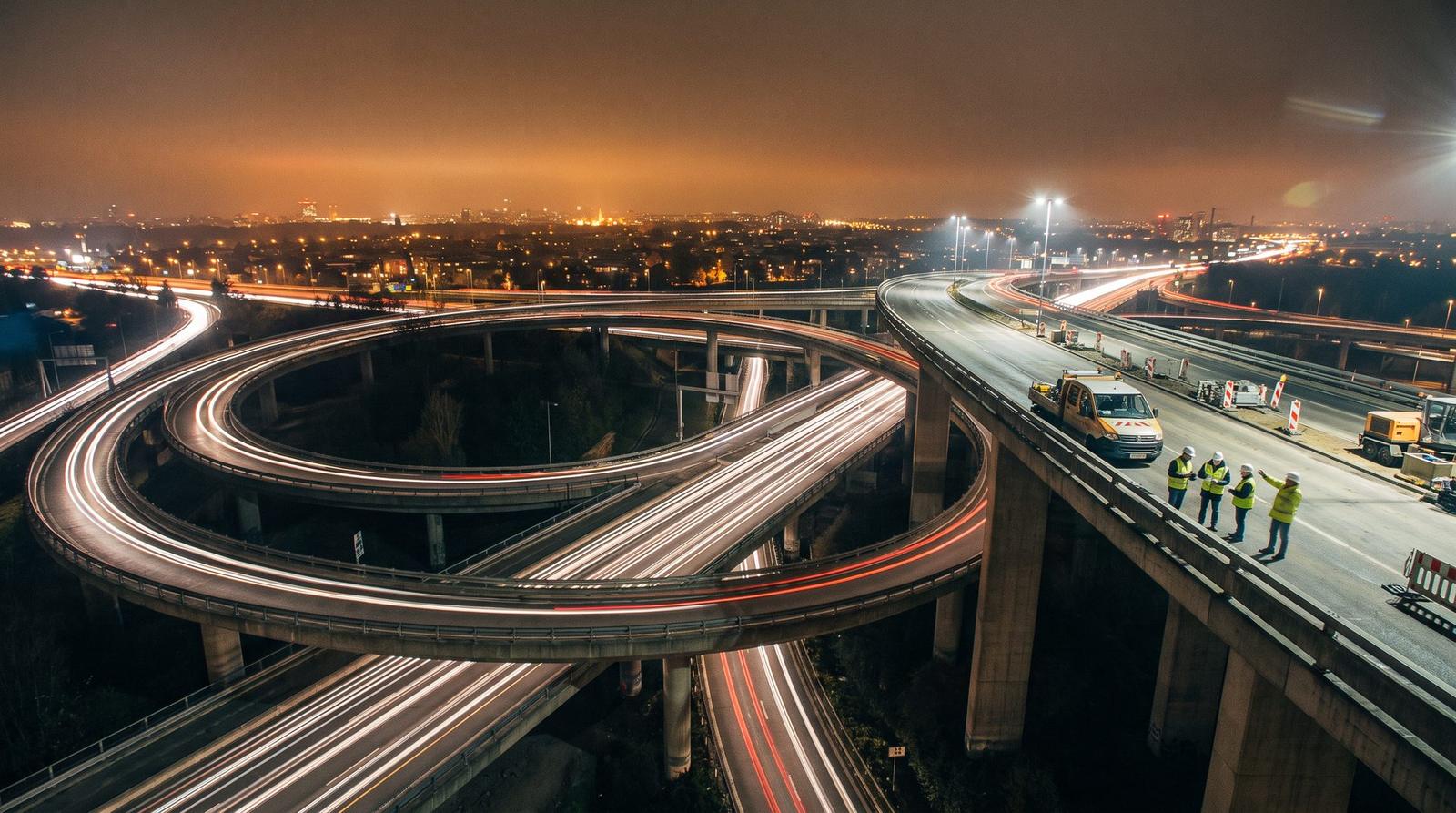
Cities around the world face increasing traffic congestion due to urbanization and population growth. According to the World Resources Institute, traffic congestion leads to lost productivity, increased pollution, and higher accident rates. Effective traffic management solutions are needed to address these challenges and ensure safe, efficient movement of vehicles and pedestrians.
How Traffic Spikes Aid in Congestion Control
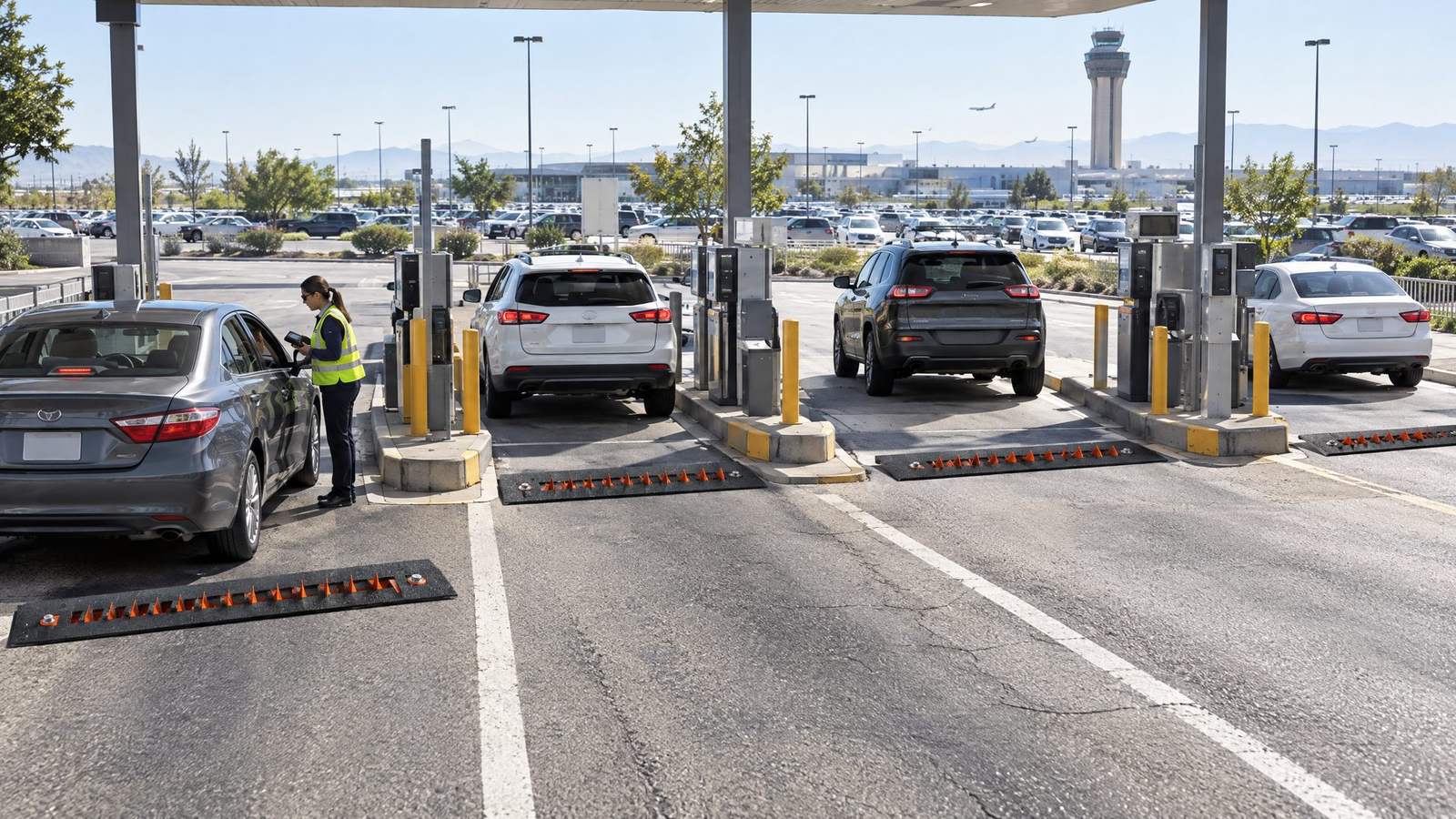
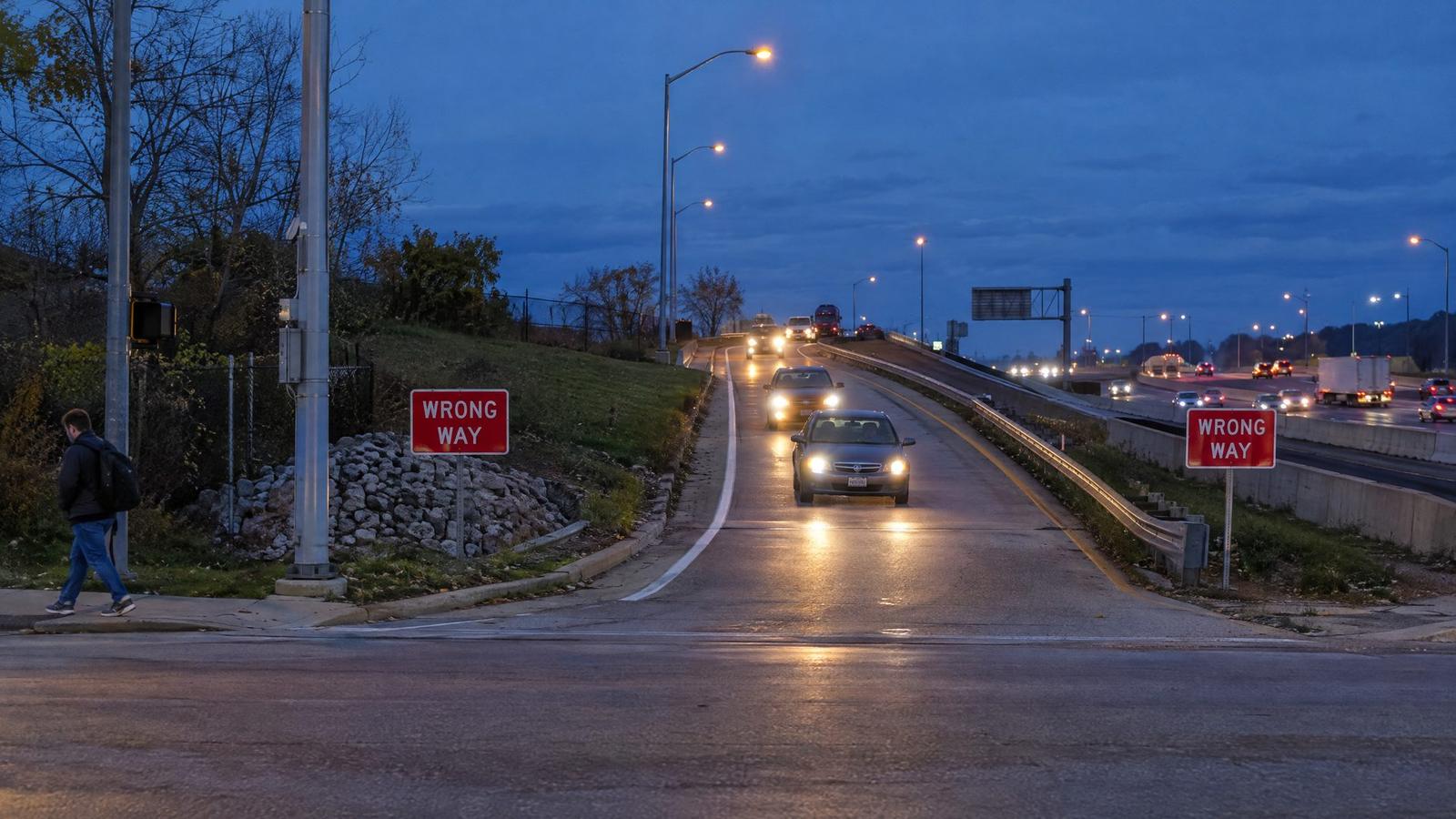
- 01Regulating Traffic Flow Direction — Traffic spikes can enforce one-way traffic in critical areas, preventing vehicles from entering restricted zones or traveling in the wrong direction. This reduces bottlenecks and minimizes the risk of head-on collisions. By controlling entry and exit points, traffic spikes help limit the number of vehicles in congested zones, aligning with strategies recommended by the Federal Highway Administration (FHWA).
- 02Enhancing Compliance with Traffic Rules — The presence of traffic spikes encourages drivers to adhere to designated routes and speed limits, promoting safer driving behavior, and prevents unauthorized vehicles from entering areas reserved for public transport, emergency services, or pedestrians.
- 03Integration with Traffic Management Systems — Motorized traffic spikes can be integrated with traffic signals and sensors, allowing for dynamic control based on real-time traffic conditions. Integration with Intelligent Transportation Systems (ITS) enables data gathering on vehicle flow, supporting congestion analysis as advocated by the Institute of Transportation Engineers (ITE).
Improving Pedestrian Safety
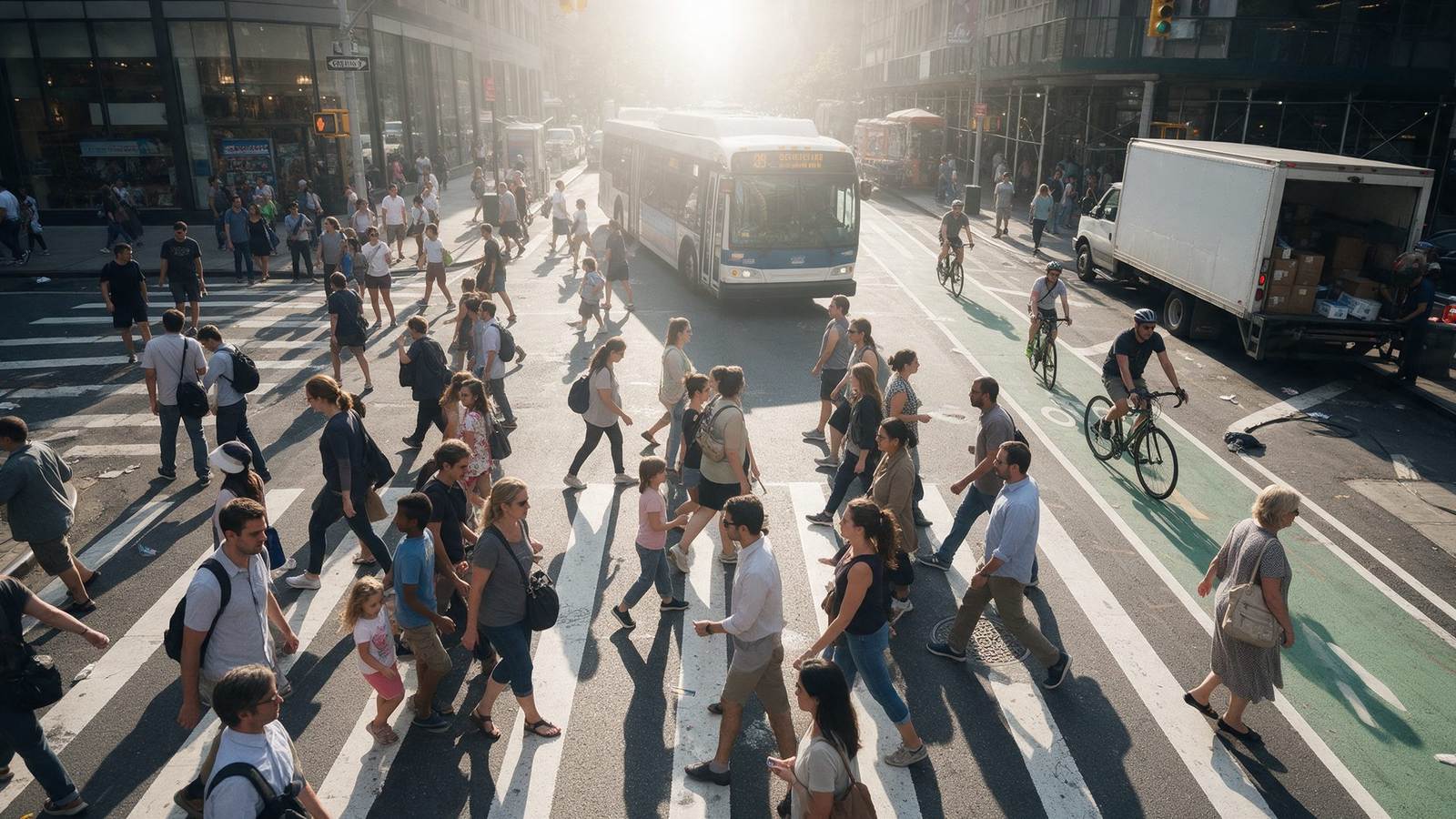
- 01Designated Pedestrian Zones — Traffic spikes can prevent vehicles from entering pedestrian-only zones, reducing the risk of accidents. This aligns with the National Highway Traffic Safety Administration (NHTSA) focus on pedestrian safety.
- 02School Zones and Crosswalks — In areas with high foot traffic, such as schools and shopping districts, traffic spikes help manage vehicle speed and direction, enhancing safety for pedestrians.
Applications in Various Settings
- 01Urban Centers — By controlling access to crowded city centers, traffic spikes help manage the volume of vehicles, easing congestion during peak hours.
- 02Parking Facilities — In multi-level parking garages, traffic spikes prevent wrong-way driving, reducing confusion and potential accidents.
- 03Event Venues — Portable traffic spikes can manage the surge of vehicles during events, directing traffic efficiently and ensuring safety.
Benefits of Using Traffic Spikes for Congestion Control
- Enhanced Safety: Reduces the likelihood of collisions by enforcing correct traffic flow.
- Improved Traffic Efficiency: Optimizes vehicle movement, reducing delays and congestion.
- Cost-Effective Solution: Offers a long-term, low-maintenance method for traffic control.
- Scalable Implementation: Can be customized and scaled to suit different areas and traffic volumes.
Why Choose Coyote Traffic Spikes for High-Traffic Areas
At Coyote Traffic, we specialize in providing traffic spike solutions tailored to the demands of high-traffic environments: durable construction built to withstand heavy usage and harsh conditions, advanced integration capability with traffic management systems, safety features designed with pedestrians in mind including low-profile options and noise reduction technology, and expert support for consultation, installation, and maintenance.
Case Study: Managing Traffic at a Busy City Intersection
Background: A major city faced severe congestion at a critical intersection near a commercial district, leading to frequent accidents and delays. Solution: The city implemented Coyote Traffic's motorized traffic spikes to enforce one-way traffic during peak hours. The spikes were integrated with traffic signals and controlled remotely based on real-time traffic data. Results: Traffic delays decreased by 40% during peak hours, traffic accidents at the intersection dropped by 60% according to the city's transportation department, and commuters reported smoother traffic flow and increased satisfaction.